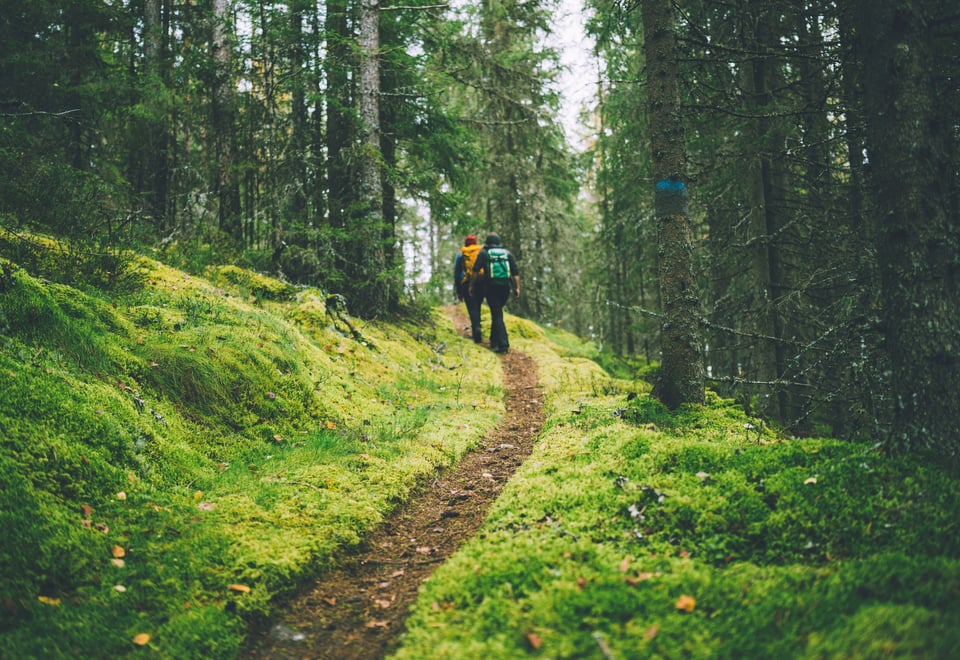
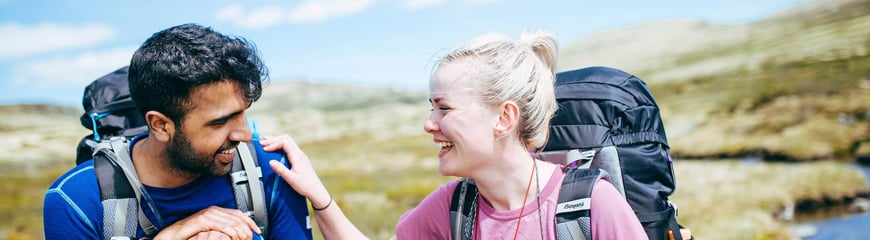
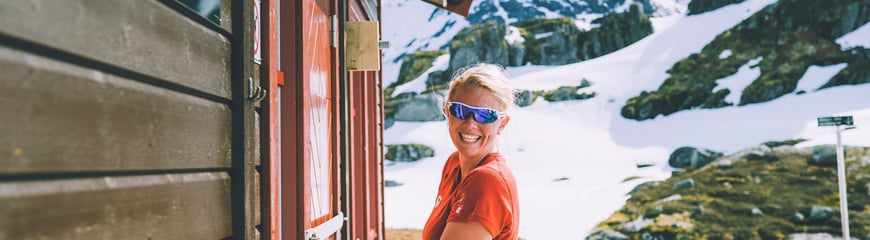
In Norway, nature is for everyone. The traditional Right to Roam, known as Allemannsretten, gives you the freedom to explore vast areas of the outdoors, regardless of land ownership. This unique right is deeply rooted in Norwegian culture and protected by the Outdoor Recreation Act.
Mountains, forests, and coastlines are not just scenery for norwegians — they are part of everyday life. Thanks to the traditional Right to Roam, called Allemannsretten, you are free to explore these landscapes, no matter who owns the land. This freedom is protected by law and treasured by Norwegians.
Everyone may enjoy nature. Everyone must help take care of it.
Your freedom in nature
Across most of Norway, you may:
Walk and hike in summer and ski in winter on land and sail along the coast year round.
Pick berries, flowers and mushrooms.
Pick nuts eaten on the spot.
Camp for two days at one place.
Bathe and swim in the sea and in lakes.
Ramble on foot or cycle on trails and roads.
Build a fire in winter (15 September - 15 April).
Children up to age 15 need no licence to fish in fresh water and, with some restrictions, may fish with tackle in salt water.
On all uncultivated land (utmark). These open areas include mountains, forests, moorland, and most of the coastline.
Where the Right to Roam does not apply
The Right to Roam does not extend to cultivated land — such as fields, meadows, pastures, gardens, yards near houses or cabins, young plantations, building sites, or industrial areas.
Even if an area is not fenced, it may still be vulnerable. If crossing could cause damage, choose another path.
You should not:
Litter or discard rubbish outdoors.
Break off branches or otherwise damage live bushes or trees.
Cross or stay on tilled land, meadows, garden, house plots or farmyards in summer.
Build a fire in wooded areas in summer (15 April - 15 September).
Disturb animals or birds, including nests and nestlings.
Take eggs from nests.
Protected areas and preserves can have restrictions that protect plant and animal life by prohibiting access or picking.
Camping — the Norwegian way
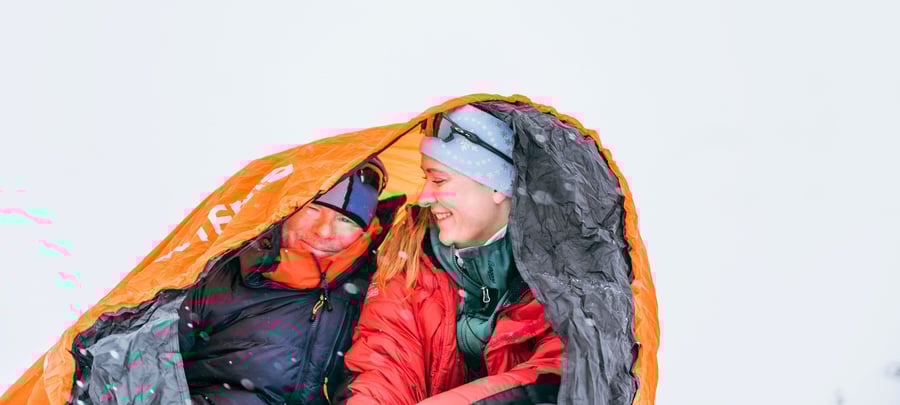
You may set up your tent on uncultivated land for up to two nights without asking the landowner. In remote areas, staying longer is allowed.
Just remember:
Keep a respectful distance (at least 150 m) from houses or cabins
Choose durable ground
Leave the place exactly as you found it
A night in the wild is a magical part of Norwegian outdoor life — please treat it with care.
Be a thoughtful guest in nature
Norway’s nature is spectacular — and fragile. We warmly welcome visitors who help protect what makes this country so special.
Leave no trace — take only memories with you
Respect wildlife and the rhythm of nature
Show consideration for local communities and landowners
Keep noise low and tread lightly
Small choices make a big difference. When everyone shows care, nature stays generous.
Further information
The Norwegian Environment Agency web site at https://www.environmentagency.no/ offers further information on the Public right of access.