Here is our ABC for a safe winter trip. Read this before you head out!
Skiing in the winter mountains is a powerful experience. Norway lies far north and has a coastal climate with frequent precipitation, fluctuating temperatures, and strong winds.
Weather conditions can change quickly and without warning.
This can create serious challenges on some days. However, if you take the necessary precautions and bring the right equipment and knowledge, many great experiences await you in the winter mountains.
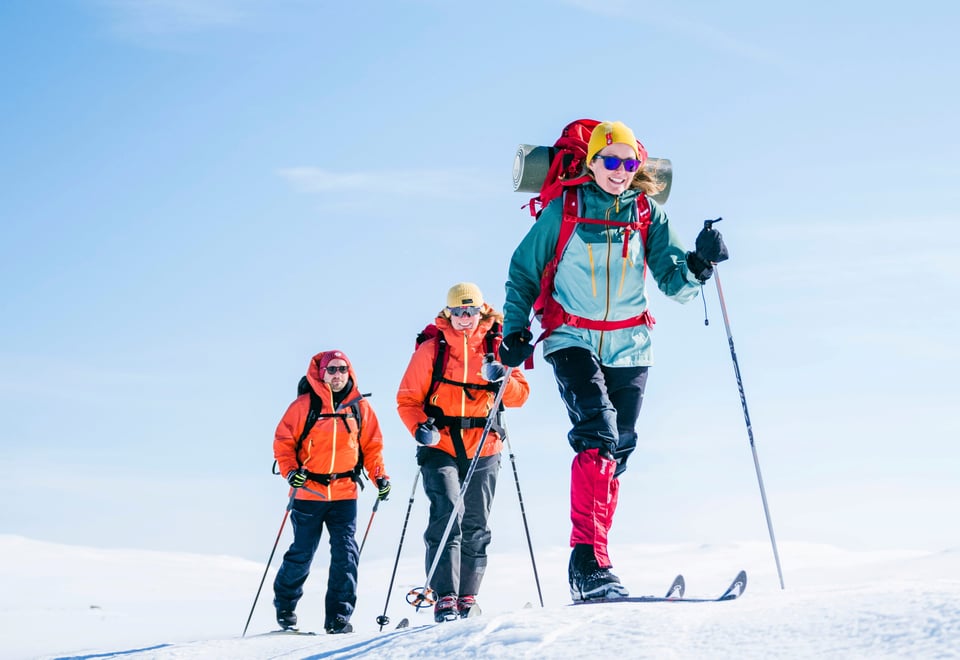
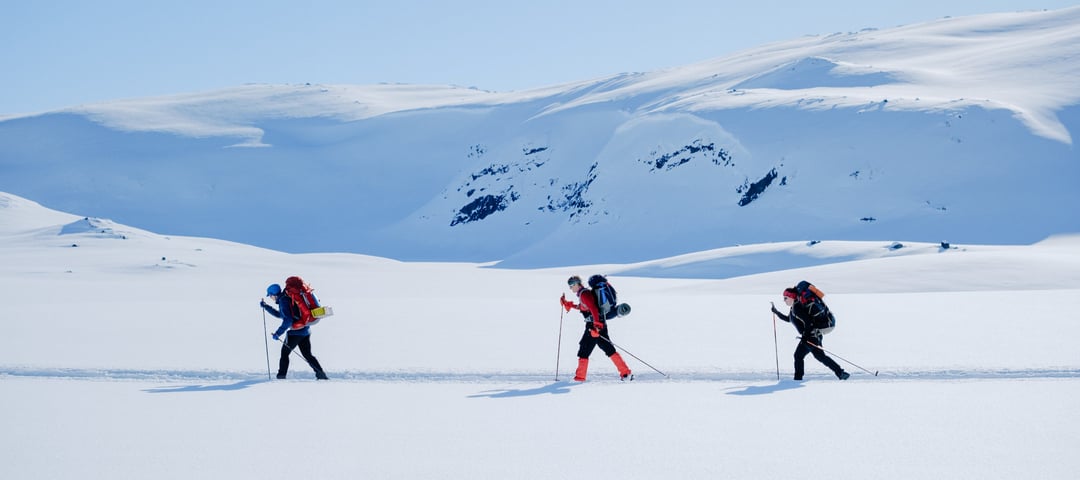
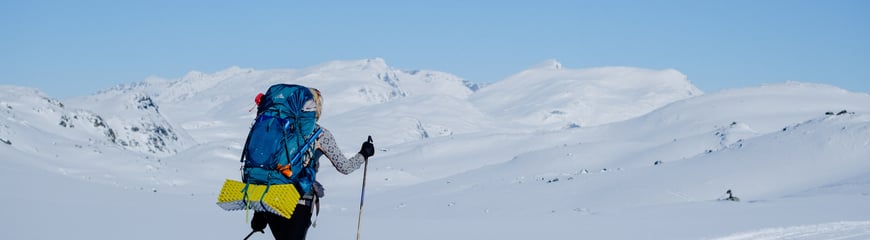
DEMANDS MORE: The winter mountains demand more from you than the summer trip. Remember to pack the necessary equipment! Photo: Marius Dalseg
Skis for the Norwegian winter mountains
It is important to use skis and poles suited to mountain terrain.
If you plan to ski outside groomed tracks, you should use skis with steel edges and sturdy bindings. Your poles should also have large, durable baskets so they work well in loose snow.
Most routes between mountain cabins run through valleys or gentle terrain, so randonnée skis or heavy Telemark equipment are usually unnecessary.
Many Norwegians prefer lighter mountain skis with cable bindings and wax pockets, combined with relatively light leather boots for cabin-to-cabin trips.
Think about what type of skiing you plan to do before buying equipment. If you mainly ski on prepared tracks or gentle terrain, lighter gear or regular cross-country skis may be sufficient.
The marked trails show the way
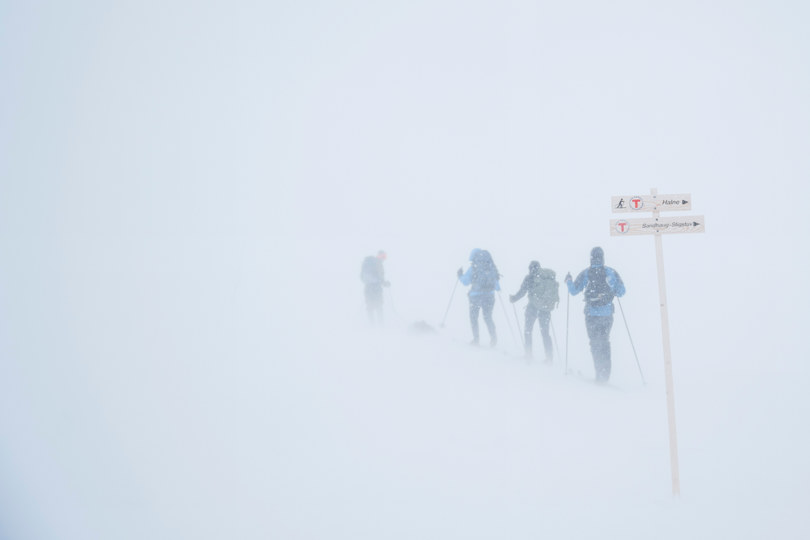
In Norway, the most commonly used winter routes between DNT cabins are marked with birch twigs placed in the snow. These twigs are positioned so that you should be able to see the next marker even during snowfall or poor visibility.
All winter routes are marked around Easter, although some routes are prepared earlier in the season. The routes are marked by local mountain experts who know the terrain and where it is safest to travel.
You should always check where and when routes are marked, as this can vary from year to year.
Even if you plan to ski on prepared tracks, these routes often go far into the mountains where weather conditions can change rapidly. A backpack with the necessary safety equipment is therefore essential, even on shorter day trips.
Although marked winter routes are often a safe choice, you cannot rely entirely on the markings. Twigs may fall over, become buried in snow, or disappear in storms.
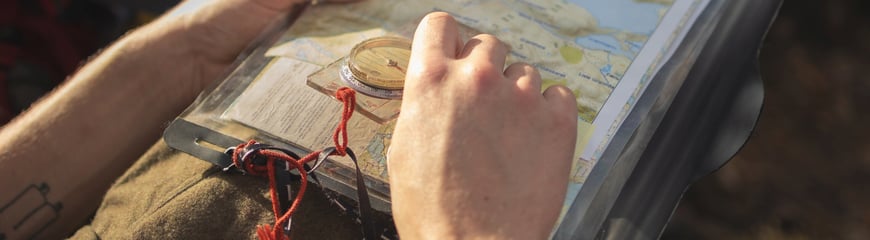
Always follow your route on the map while skiing, so you know where you are at all times. This is an important part of safe travel in the mountains.
The M711 map series covers all of Norway at a 1:50,000 scale with a contour interval of 20 meters, which provides excellent detail for navigation.
There are also other hiking maps adapted to specific mountain regions.
If you use GPS, you should still bring a paper map and compass as backup. A 1:100,000 map can work well together with detailed maps or GPS navigation.
Skiing from cabin to cabin in the winter mountains - this is how you do it
Are you dreaming of a cabin-to-cabin trip in the winter mountains, but are unsure how to do it? Here you will find useful tips and advice for planning and carrying out the trip.