

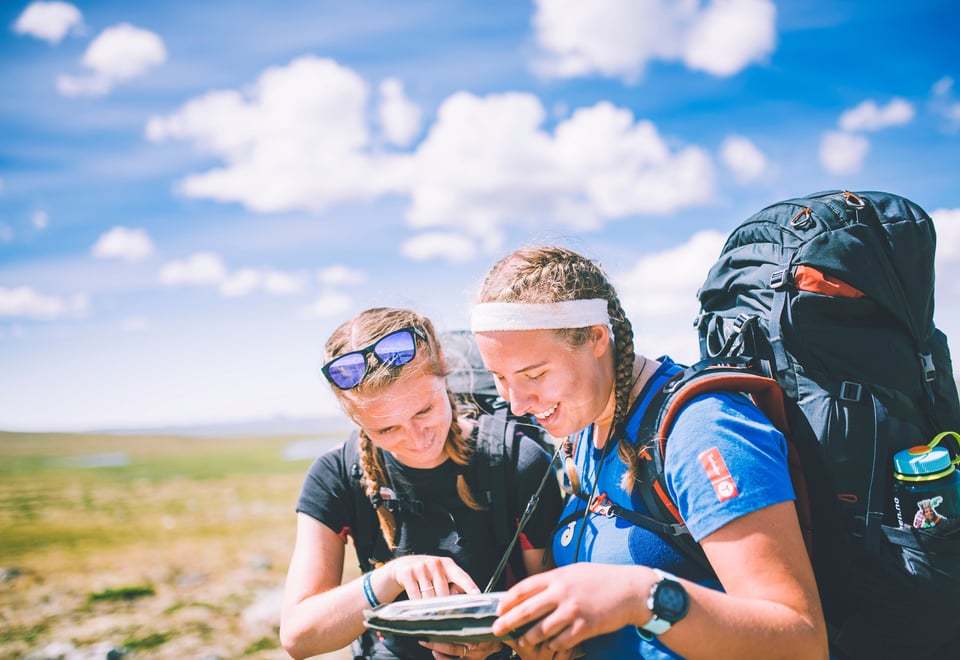
How to plan your hike
Planning is not only an inspiring and enjoyable part of preparing for a trip — it is also essential for safety. Here are our tips for your planning.
Plan your trip and let others know
Good planning continues throughout the journey and helps ensure a positive experience for everyone involved.
This is why the first principle of the Norwegian Mountain Code is:
Plan your trip and inform others where you are going.
Read about all the Norwegian Mountain Code here.
By planning carefully, gathering information, and identifying potential risks, you can significantly reduce the chance of something going wrong.
The level of planning will naturally depend on the type of trip, but some key elements should always be considered.
The following factors should be included in the planning:
What to Include in your planning
Hiking destinations
- Where are you going?
- What is the goal of the trip?
- What do you want to experience along the way?
How to find a trip on UT.no
Let's say I want to go for a simple walk to a fire pit in my local area.
Here's how you can use UT.no:
-
Enter UT.no
-
Tap Maps in the top right corner
-
Enter the name of the area you are in/want to go to
-
Click on "Hiking destinations" at the top of the map, and tick "Established fire pit"
-
Select "Route suggestions" and press "easy" under Grading.
-
See if there are any hiking suggestions that go to a campfire site.
Tour participants
- Who is joining the trip?
- What is their level of experience and fitness?
- How can you adapt the trip so that everyone has a good experience?
Remember: the overall safety of the group depends on the combined skills, experience, and motivation of all participants.
Read more at: Beginner in the winter mountains
Equipment
- What equipment is required for this specific trip?
- Do all participants have the necessary clothing and gear?
Read more here: Packing lists for mountain hikes
Weather and avalanche forecast
- What does the forecast say for your area?
- Are there any avalanche warnings or other hazards?
Learn more about avalanches and safety here
-
Recommended avalanche expertise on a trip
 Recommended avalanche expertise on a trip
 -
Take an avalanche course with DNT
 Take an avalanche course with DNT
 -
Avoid avalanches on summit hikes
 Avoid avalanches on summit hikes
Map and navigation
Spend time studying the map in advance:
- Where is your planned route?
- Are there alternative routes in case of an emergency?
Even if you use digital tools, you should always bring a map and compass.
Read more at: How to use a map and compass and Find your next trip on UT.no
Mobile coverage
- Do you have mobile coverage where you need to go?
Read more at: 10 tips on mobile use on a trip
First aid kit
- Bring what you need for your trip
Inform someone about your trip
Always let someone know:
- Where you are going
- Your planned route
- When you expect to return
This simple step can be crucial if something goes wrong.
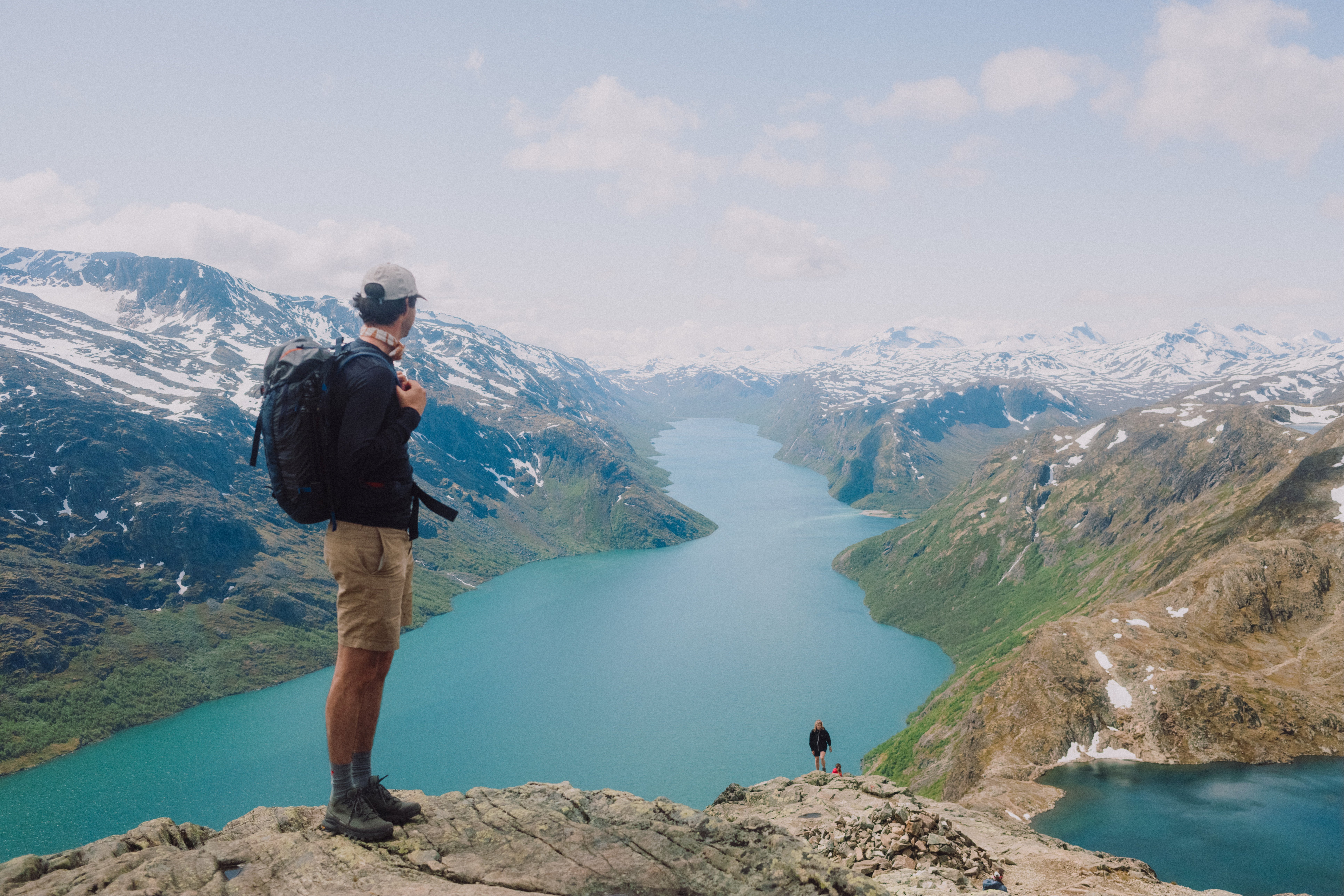
When planning the trip, it is important to choose trips that are adapted to your own and your tour group's level of experience. If you are on a trip with several people, it is the sum of knowledge and motivation in the group that counts.
Do I – whether I am going on a trip alone, or the group together, have the prerequisites to handle this trip and the situations that may arise?
Mountain Code No. 2 is:
Choose a hike according to your ability
A key principle of safe outdoor travel is: Adapt the trip to your abilities and the conditions.
Before setting out, ask yourself:
- Do I (or we as a group) have the skills and experience required?
- Are we physically prepared for this trip?
- Do we have the right equipment?
If the answer is yes, you have a good foundation for a safe and enjoyable trip.
How to calculate walking time on a mountain hike
Here you will find a description of how you can calculate your own walking time when you walk in the mountains.
Read more here
Read more here
Pay attention to weather and avalanche forecasts
Mountain Code no. 3. What are the conditions where you are going?
Conditions in the mountains can change quickly. Stay alert and continuously reassess:
- Weather developments
- Snow and avalanche conditions
- The group’s energy and wellbeing
Good decision-making is an ongoing process — not something you do only before you leave.
Need a thorough, written trip plan?
If you want a more structured approach to planning, you can use the 3x3 method. This is a widely used planning tool in outdoor education, especially for winter travel and avalanche risk assessment.
It helps you evaluate conditions:
- Before the trip
- In the area
- Along the route
See the plan here: 3X3-turplan.pdf
Useful articles
Share article:
Share via email
Nyttige kurs
See also
Become a volunteer
Become a volunteer
Become a member

Become a member
How to hike from cabin to cabin

How to hike from cabin to cabin
Winter hike in the mountains: How to do it
Winter hike in the mountains: How to do it