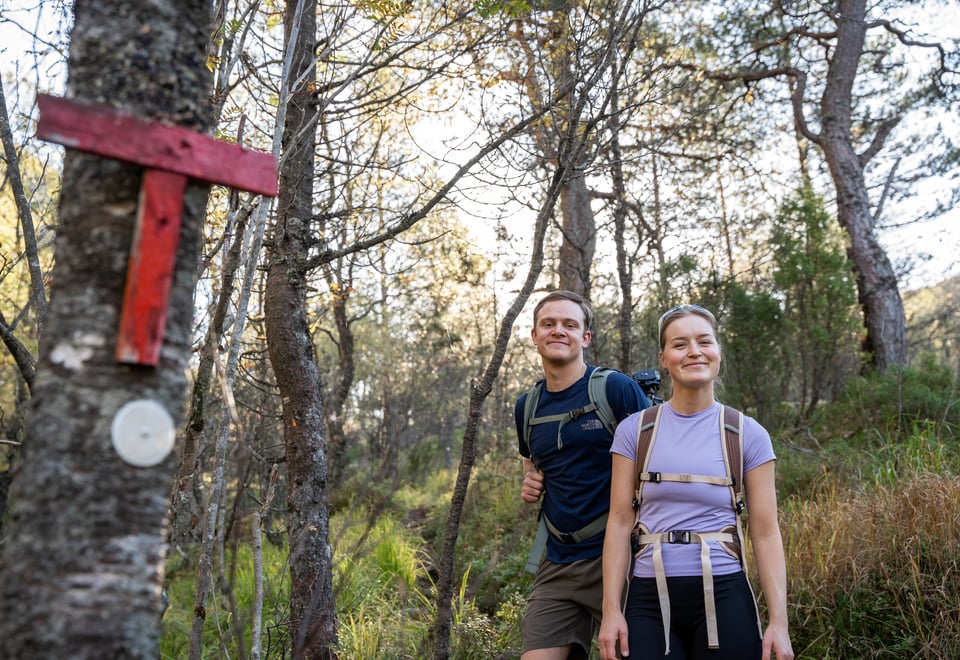
Do you want to go on your first hike, but feel unsure about where to start with planning and gear? Here is our best advice for those new to the outdoors.
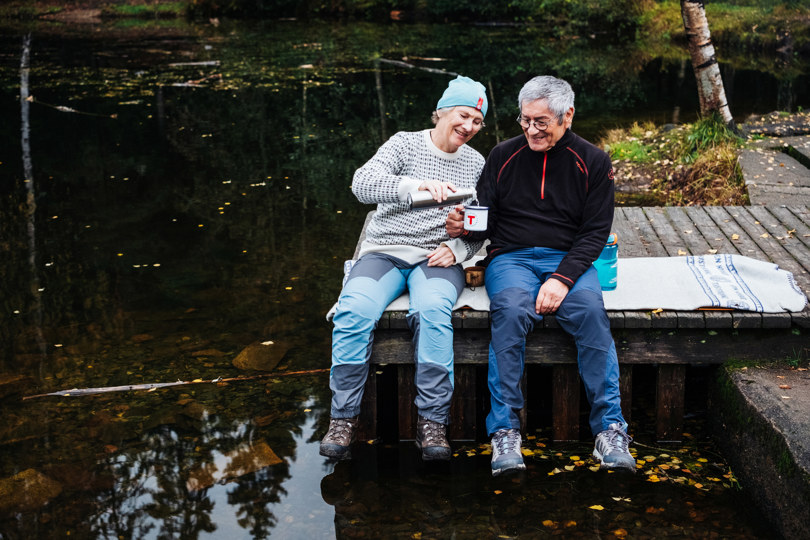
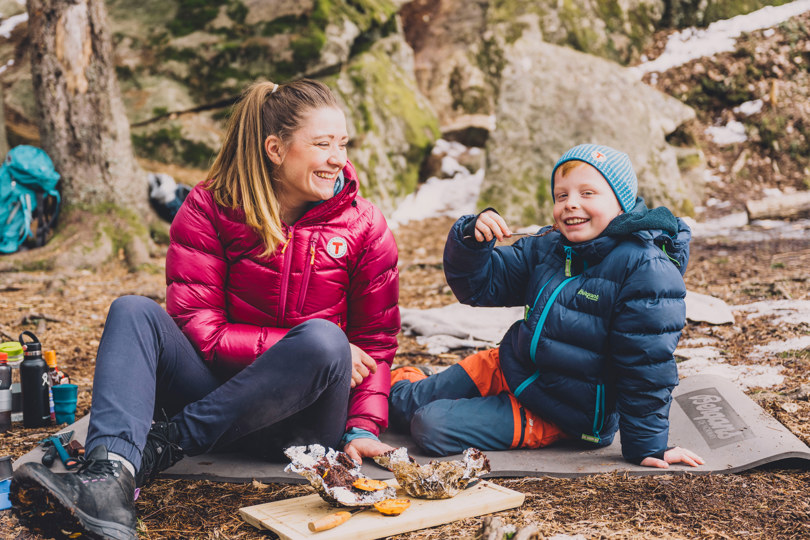
A "hike" starts the moment you step out of your door. Many trips require neither specialized equipment nor extensive planning. Enjoying your morning coffee in the spring sun while walking to the nearest park or forest is a great way to start!
Whether you want to make your morning coffee a little more pleasant or you're ready to take the next step into the wilderness, here are some helpful tips for your journey.
Choosing Your Route
If you are looking for inspiration or want to plan a specific route, there are several tools available.
UT.no and the UT app
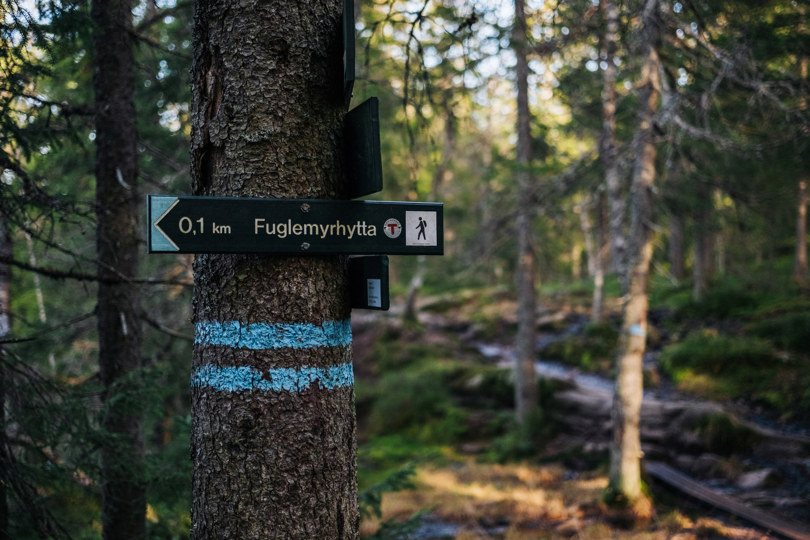
Do you have a specific area in mind, or do you want to explore hiking opportunities nearby? UT.no (and the UT app) is a free tool where you can find trails, cabins, campfire sites, and more across Norway. You can also filter by difficulty level (easy, medium, or difficult).
To use UT.no to find a trip:
Let's say I want to go for a simple walk to a fire pit in my local area.
Here's how you can use UT.no:
Enter UT.no
Tap Maps in the top right corner
Enter the name of the area you are in/want to go to
Click on "Hiking destinations" at the top of the map, and tick "Established fire pit"
Select "Route suggestions" and press "easy" under Grading.
See if there are any hiking suggestions that go to a campfire site.
Local hiking tips
f you are visiting a new place, locals are often the best source of information. Ask at the local convenience store, the municipality, or the DNT hiking center if there is one nearby.
The DNT website also features numerous hiking tips for all of Norway, tailored for beginners, families, and experienced hikers alike. Check out articles like "10 city-near hikes" for inspiration close to urban areas.
DNT’s local member associations often organize free group walks. Check out the activity calendar below for upcoming events.
The weather can make or break a trip. It is always wise to check the forecast before leaving home. YR.no is the most common service in Norway. Knowing the weather makes it much easier to decide what to wear and pack.
Clothing
When it comes to clothing, "trial and error" is often the best teacher. Some people run hot, while others get cold easily.
Comfort is key: Most hikers prefer trousers or shorts with good mobility and comfortable shoes.
The Wool Secret: Wearing wool as a base layer is highly recommended in Norway. Wool regulates temperature and keeps you warm even if it gets damp.
Footwear: For forest trails or uneven terrain, we recommend sneakers with good grip, hiking shoes, or hiking boots.
Do you have to say hello to those you meet on a trip?
Something you will notice when you go on a hike is that many people say hello to you even if you do not know the person.
But why do you do it?
This is a phenomenon that has existed in the forest and in the mountains for many years. No one knows exactly why people say hello, but experts believe that it is seen as a nice gesture
Some also point out that you say hello to those you have something in common with (such as going for a walk in the mountains or the forest). Often, the threshold for saying hello gets lower and lower the further you walk.
So don't be afraid to say hello if you're on a trip, and feel free to say hello back if someone says it to you!
What to Pack
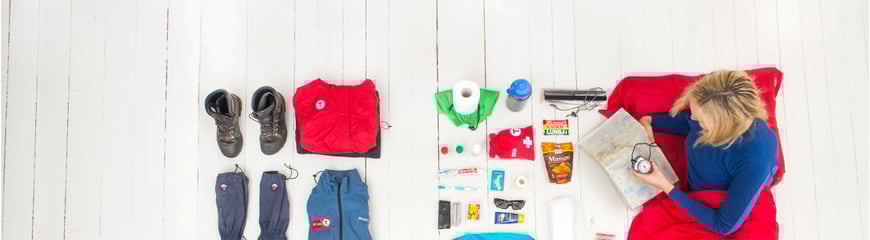
For short trips, you don't need much. However, a few items can make the experience more comfortable:
A water bottle.
Snacks or a packed lunch.
A seat pad (sitteunderlag).
A small backpack.
Safety: If you are heading further away from home/your car, bring Band-Aids and sports tape (useful for both blisters and quick gear repairs).
Protection: Sunscreen and sunglasses to protect your skin and eyes.
There are several places where you can borrow clothes and equipment for free. Here are some of them.
The Treasury
BUA
The Free Warehouse
Student associations
There is a lot of used hiking equipment and clothes that can be used further. Check out second-hand shops nearby, or look at Finn.no or the Tise app.
Rules and considerations on a trip
Leave No Trace
Did you know it takes two months for an apple core to decompose? Please do not leave food waste or litter in nature. Use trash cans or carry your rubbish home. The goal is to "leave nothing but footprints."
Take our "Leave No Trace" Mini-Course
Outdoor life is more popular than ever, and more of us are heading out to experience nature, whether on day trips or overnight stays in tents and hammocks. But do you really know the "rules of the woods"? What exactly does the Right of Public Access entail? Are you allowed to swim from private piers?
Take our digital mini-course and become a responsible hiker in just a few minutes!
If you are going on a trip, you should definitely familiarize yourself with the Norwegian Mountain Code of Conduct. The nine tips help you plan and carry out a fantastic trip – which is also safe.
In Norway, we enjoy the Right of Public Access (allemannsretten). This gives everyone the right to explore the outdoors, stay overnight, and harvest from nature (such as berries and mushrooms), regardless of who owns the land.
This right applies to uncultivated land (utmark). This refers to areas like forests, mountains, moors, and coastal areas that are not residential properties or farmyards ("cultivated land").
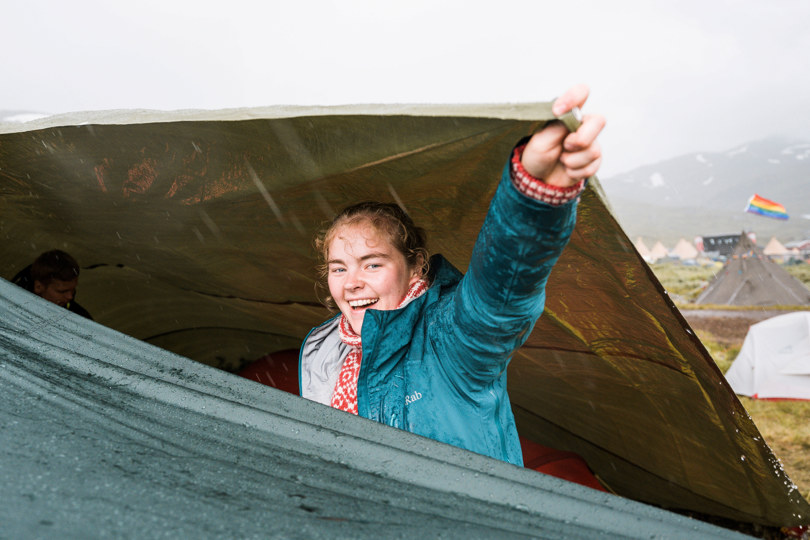
Rules for camping: If you plan to spend the night in a tent or hammock, please keep the following in mind:
Distance: Your campsite must be at least 150 meters away from the nearest inhabited house or cabin.
Duration: You may stay in the same spot for up to two days. If you wish to stay longer, you must ask the landowner for permission (except in high mountain areas or very remote locations).