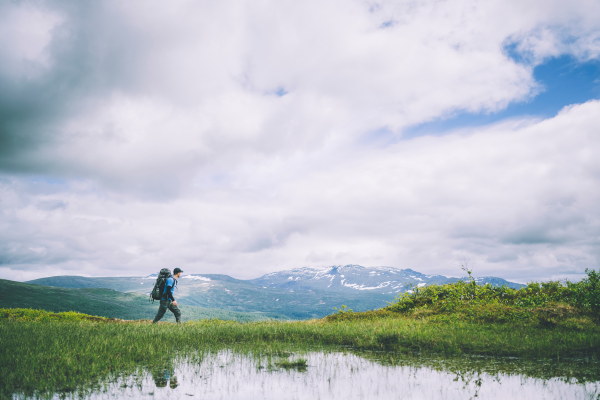
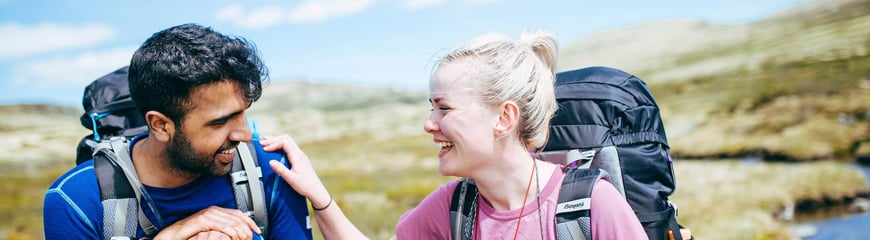
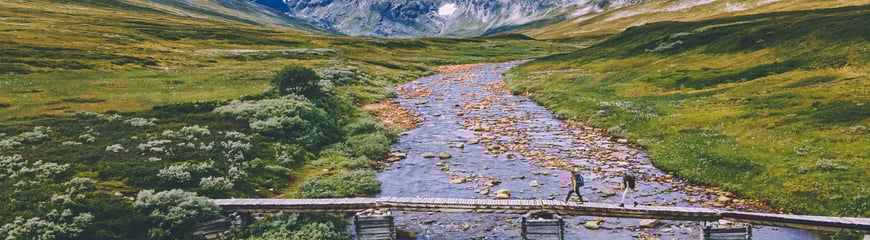
Vast mountains, sweeping plateaus, rich flora, lush wetlands, birch forests, crystal-clear natural swimming holes, and trout-filled lakes, complemented by a historic network of mountain lodges. In Sylan, everything is in place for authentic mountain experiences, both summer and winter. Here, you can hike for days along an extensive network of trails and cabins.
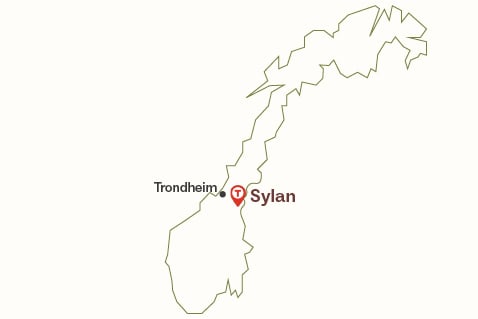
Sylan (known as Bealjehkh in South Sámi) is the collective name for the mountain range stretching nearly from Östersund in the east to the Trondheimsfjord in the west, and from Meråker in the north to Haltdalen and Røros in the south. The region is celebrated for its wide-open, magnificent alpine landscapes.
The terrain in Sylan
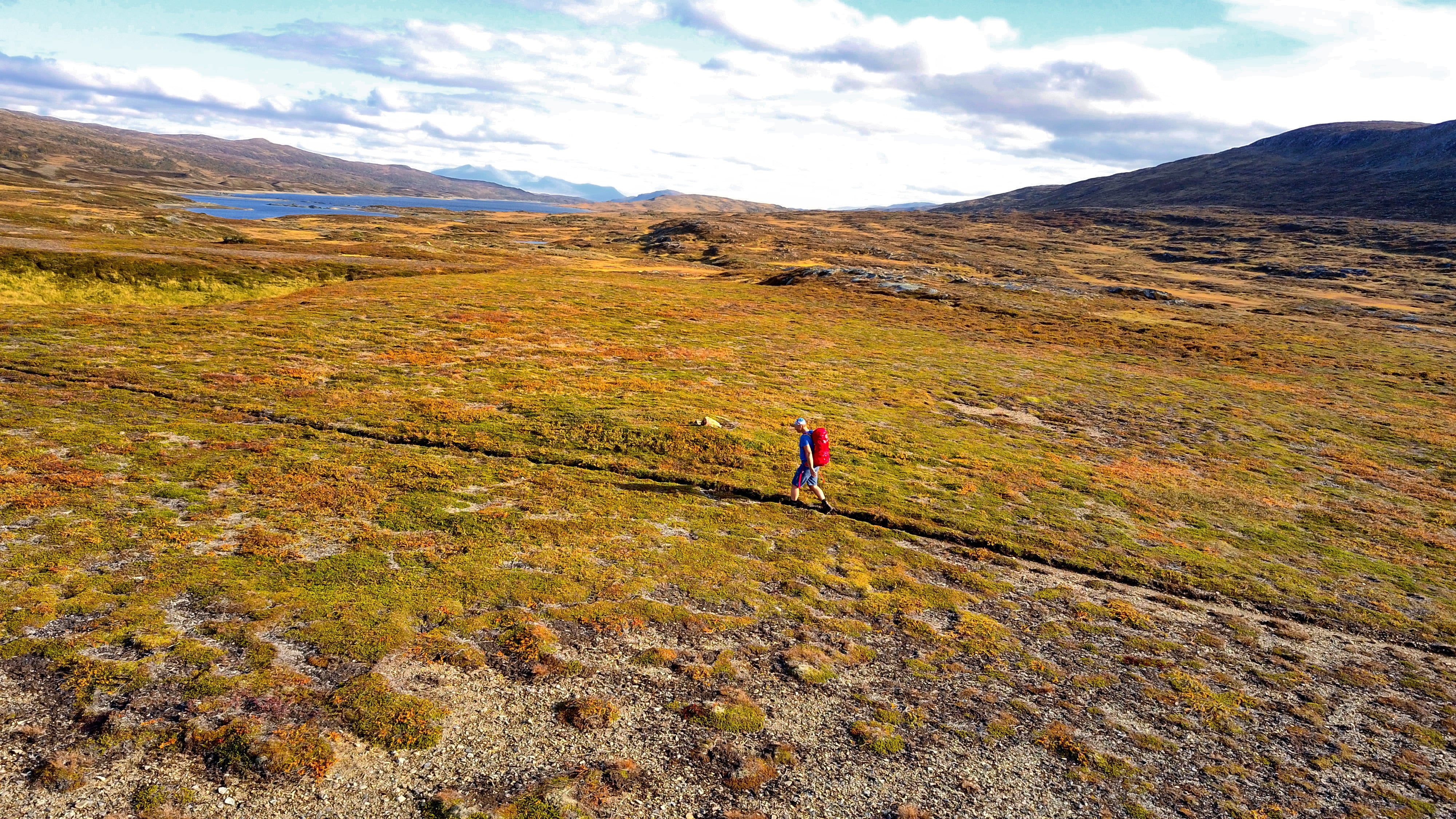
he terrain is characterized by gently rounded mountains, wide valleys, moraine ridges, and vast expanses that offer a profound sense of silence. With a watchful eye, you can also discover cultural monuments from bygone eras.
At the heart of the region rises the spectacular Sylan massif, with Storsylen (1,762 m), Storsola (1,711 m), and Tempelet (1,728 m) as its most prominent peaks. Here, you will hike through nature reserves and national parks, passing inviting natural pools in one of Norway’s best-kept secrets.
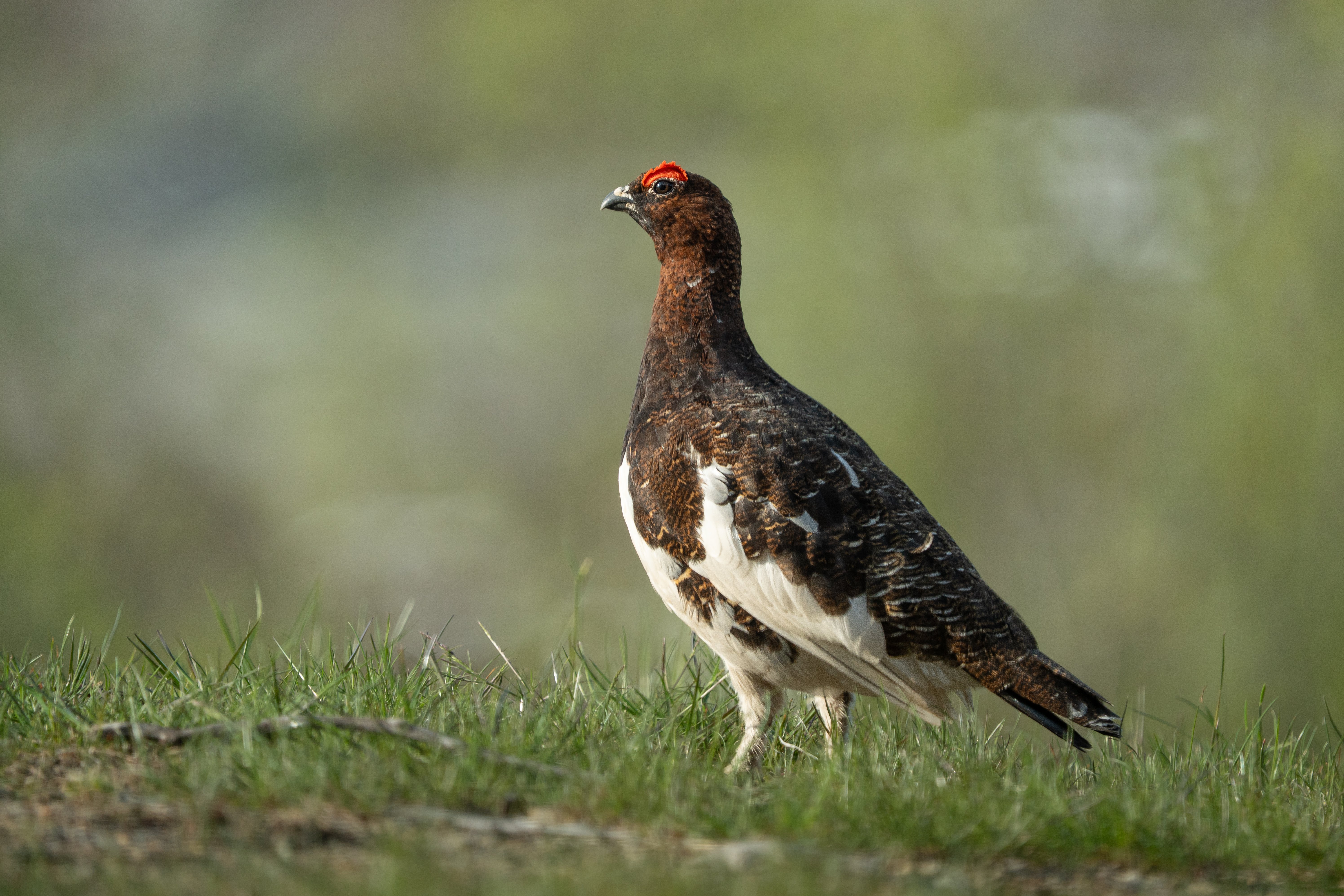
The mountain ptarmigan is part of a rich bird life in Sylan Photo: Marcus Englund
A rich nature and wildlife in Sylan
Sylan boasts a vibrant wildlife and flora, deeply shaped by the expansive alpine environment. Many bird species thrive here, including the rock ptarmigan, rough-legged buzzard, and golden eagle. Sylan also offers several excellent fishing lakes, so remember to pack your fishing rod if you want to try your luck at trout fishing.
The high-mountain flora is defined by harsh growing conditions. The vegetation is low and resilient, featuring species like dwarf birch, heather, moss, and lichen. In the marshy areas, cottongrass grows abundantly, giving the landscape a truly distinctive character.
Culture and history: Traces of humans in the mountains
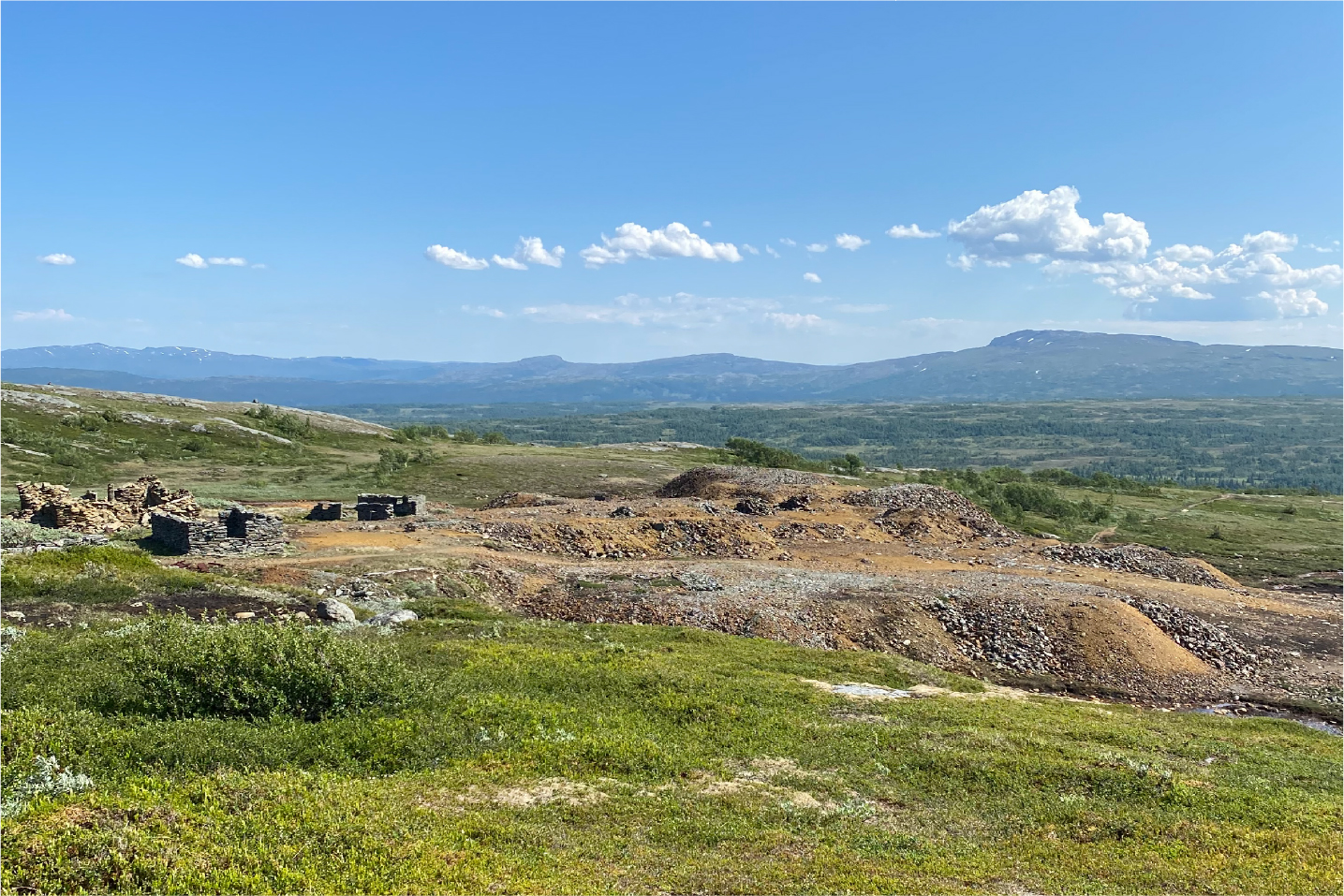
Cultural monuments from the 1700s mining in Sylan Photo: Berit Storholt
Sylan is home to cultural monuments that testify to human travel and resource use spanning thousands of years. Pilgrims, fortune hunters, soldiers, hikers, and, not least, South Sámi reindeer herders have all left their mark on this land.
The Pilgrim Path through Sylan
Norway’s oldest pilgrim route and historic thoroughfare, the Romboleden Trail, runs right through these mountains. For centuries, it guided pilgrims and traders from Köping in Sweden to Nidaros (Trondheim).
Sylan was also traversed by cattle drovers, farmers, and fortune seekers making their way toward the Atlantic Ocean and the west.
Landscape shaped by boxes at Lake Finnkoi Photo: Jonny Remmereit
Sámi cultural monuments in Sylan
Sámi history in Sylan dates back to well before the 1600s, with visible traces of hunting-based reindeer herding and other cultural monuments from various eras left in the landscape. Active, domesticated reindeer husbandry continues in the area today.
In summer and autumn, Sylan serves as a vital grazing ground for the reindeer before they migrate south to Femunden for the winter. The South Sámi also played a heroic role during World War II, guiding and transporting refugees from Lake Esandsjøen safely over the border to Sweden.
The retreat of the Carolinians through Sylan (1719)
In 1719, following the death of the Swedish king, General Armfeldt attempted to withdraw his Swedish Carolean forces through these mountains after their campaign against Trondheim. Caught in a brutal New Year's blizzard, thousands of soldiers perished in the unforgiving cold—a tragic historic event that still echoes in the area today.
"I believe it has the ability to correct many things that are wrong in the individual human being, once the understanding of all the deep, spiritual moments that our Norwegian high mountain, more than any other country on earth, possesses, has been opened."
Carl Schulz
Trondhjem's Tourist Association's first chairman
The pioneer era: The first hikers and tourist cabins
Sylan has been a destination for mountain hikers since the 1800s. Adventurers came here from the cities to climb peaks such as Storsylen (1762 m) with knickers, boots and windbreakers.
The mountain hiker Carl Schulz conveyed his strong love of nature through tour descriptions, with the aim of "awakening the sense and promoting tourist life among our own countrymen". Schulz often used poetry inspired by Henrik Ibsen in his texts to describe the mountain area and what it does to a human being: "I think it has the ability to correct many things that are wrong in the individual human being, once the understanding of all the deep, spiritual moments, our Norwegian high mountain more than any other country on earth, possesses, has been opened."
Storerikvollen has a view of the Syl massif and Essandsjøen Photo: Marius Dalseg
As the first chairman of Trondhjem's Trekking Association, Schulz contributed to the development of outdoor life in the region, among other things through the construction of Storerikvollen in 1896. The adventurer Thor Heyerdahl also had a strong connection to Sylan, and it was here that he sought peace and inspiration for his expeditions and writings.
The DNT cabins in Sylan
Trondhjems Turistforening and DNT Nord-Trøndelag own and operate no-service, self-serviced and staffed cabins in the mountain area of Sylan.
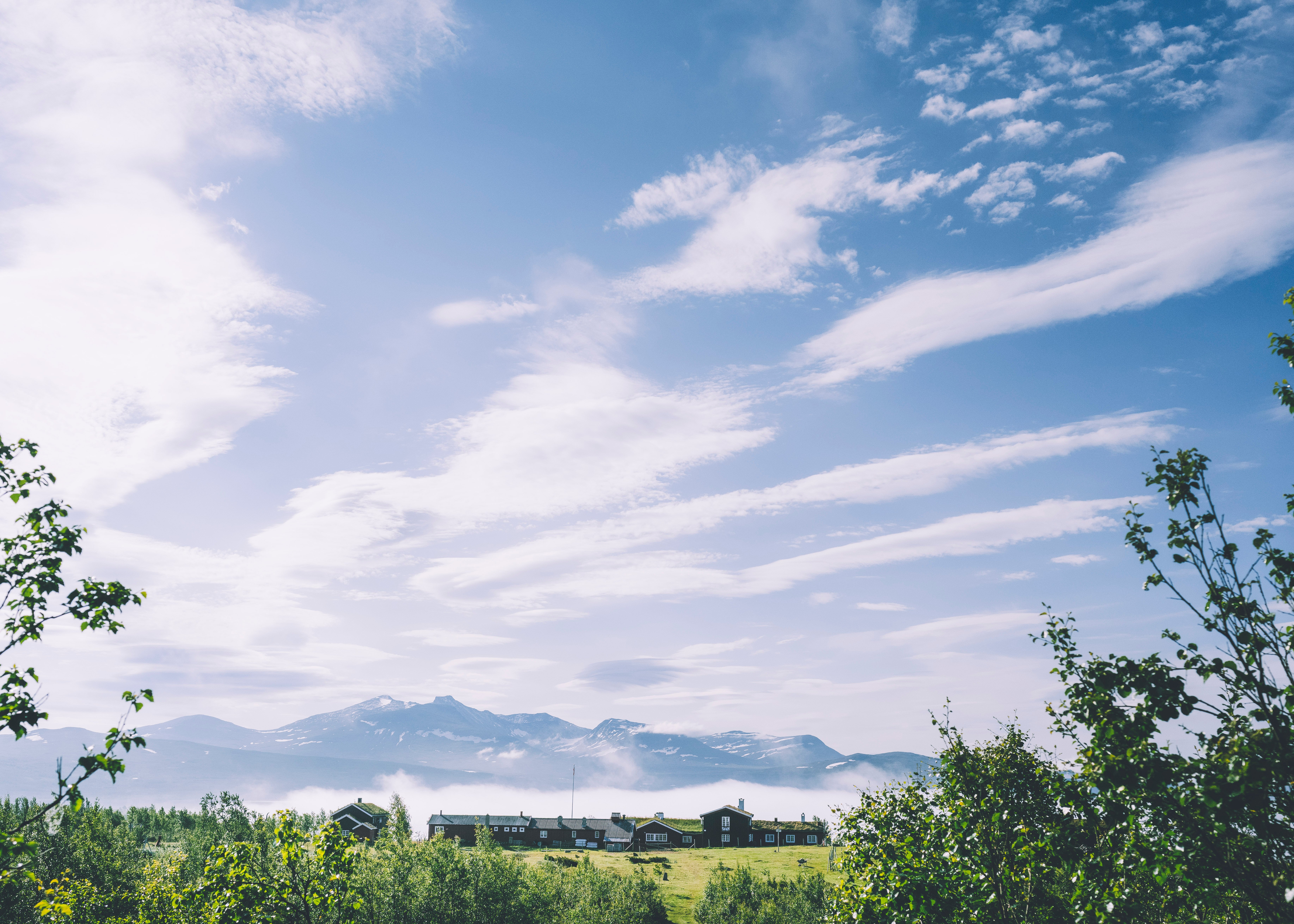
On the Swedish side, there are also several tourist cabins run by the Swedish Trekking Association. The cabins are scattered in the area, which makes them perfect for those who want to go cabin-to-cabin trips in the mountains. Schulzhytta, Storerikvollen and Nedalshytta are serviced during the summer season and at Easter.
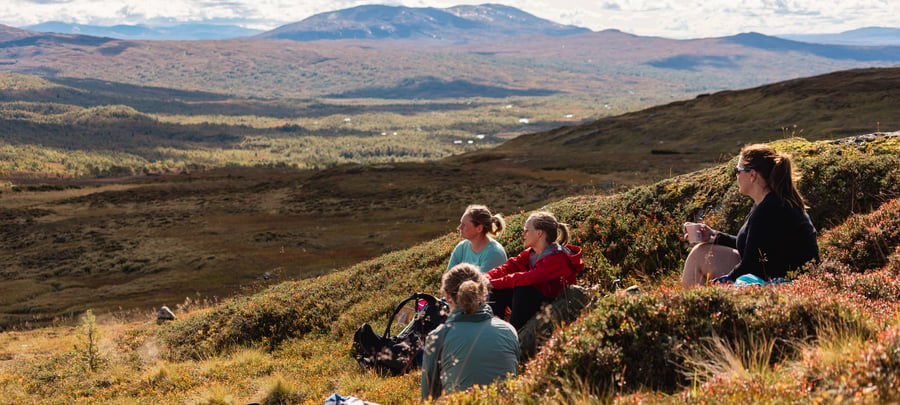
I Sylan kan du gå mellom mange hytter i et godt merket stinettverk
Niklas Dyrhaug, a former cross-country skier, has spent a lot of time in Sylan throughout his childhood and in connection with training for championships. Here he shares his best tips for trips in Sylan this summer.


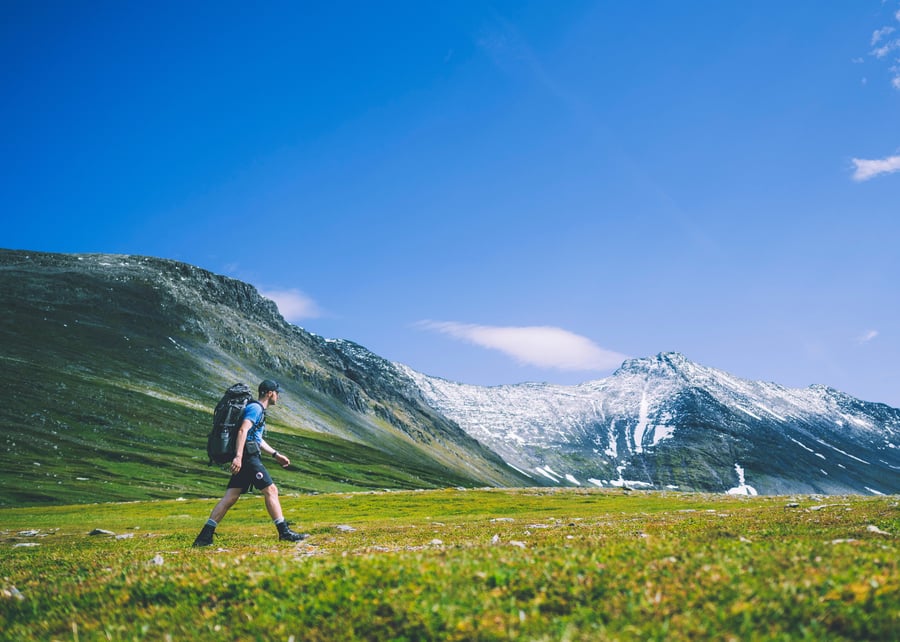

 Hut-to-hut tours in Sylan
 Day trips from the DNT cabins
 Family holidays in Sylan
 Mountain running in Sylan
 The Expedition Trip Norway Across
 DNT-Cabins in Sylan