How to repair hiking equipment and clothing on a hike
Repairing equipment on a hike can be challenging. With knowledge, simple equipment and experience, you can become a fixer who saves the situation.
A broken gaiter or torn shoulder strap on the backpack can make the hike can quickly become frustrating, but both can easily be fixed with string or thread.
What do you really need to fix hiking clothes and equipment?
Do you need to bring repair equipment on a trip?
Hopefully you won't need it, but sooner or later something can break.
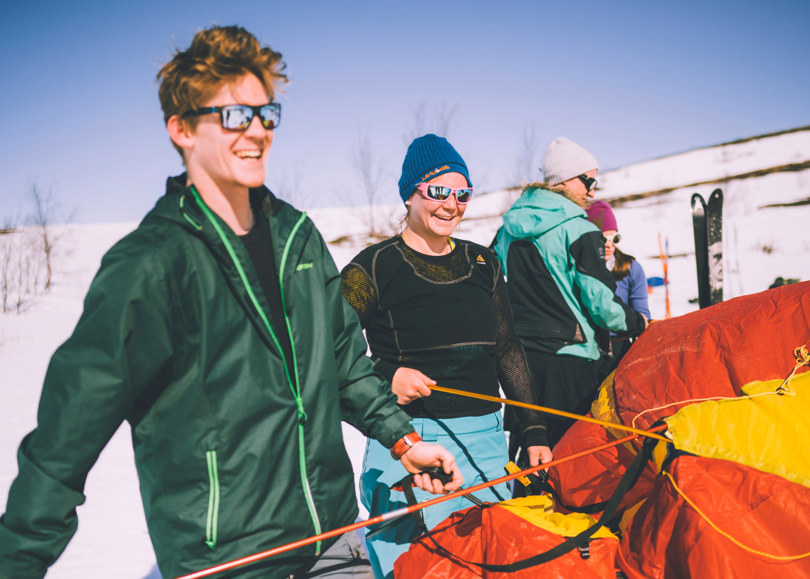
BE PREPARED: You never know when equipment might break. Then it's a good idea to have repair equipment on hand. PHOTO: Marius Dalseg
Here you will find suggestions for two repair kits that are good to have on a trip, one for shorter trips, and one for slightly more advanced trips.
You don't always have to bring everything, assess for yourself what is relevant to the adventure you are going on.
Small repair kit:
For most day hikes and shorter trips, a compact repair kit is enough to handle common issues.
Strong thread and sewing needles
Pack strong thread and two needles—one heavy-duty and one finer needle. This allows you to repair torn clothing, backpacks, gaiters, and other textile equipment.
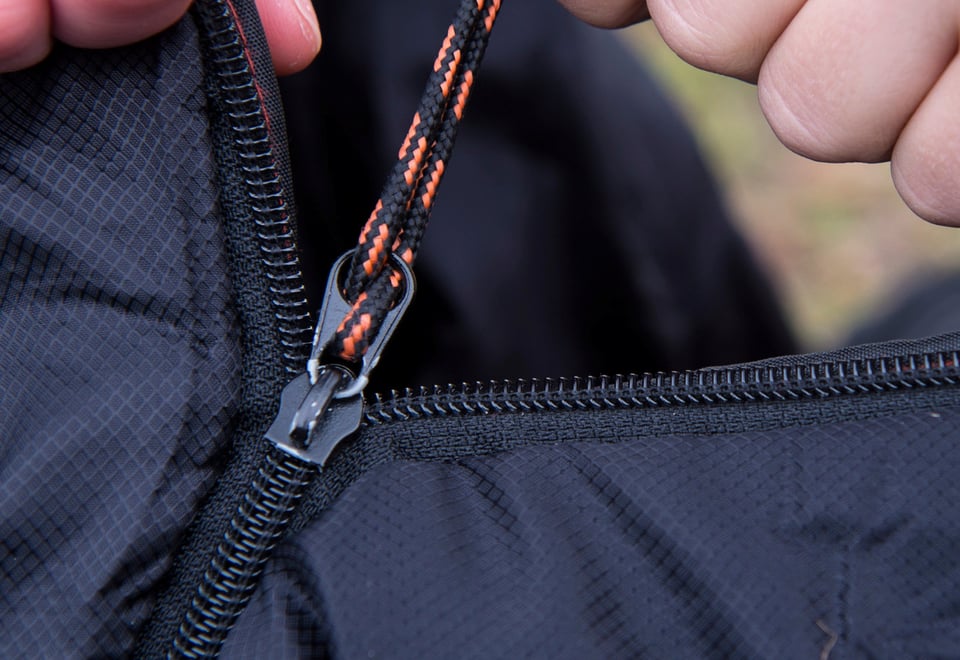
Cord or twine
A few metres of cord can be surprisingly useful. It can serve as an emergency belt, replacement shoelace, backpack repair, guy line, or countless other improvised fixes
Duct tape or sports tape
Duct tape is one of the most versatile repair tools you can carry. It can temporarily fix everything from torn equipment to damaged tent poles.
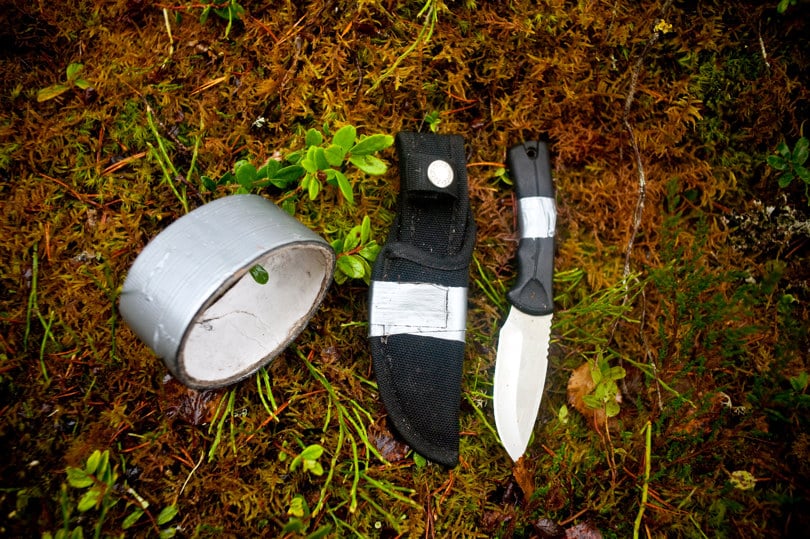
A practical tip is to wrap a few metres of tape around a water bottle, trekking pole, or thermos instead of carrying an entire roll. Avoid using duct tape directly on waterproof clothing, as it can damage the fabric and leave adhesive residue.
BOSS TAPE: Duct tape fixes most things. PHOTO: Sindre T. Lønnes
Optional equipment for longer trips:
For multi-day trips, remote adventures, or winter expeditions, consider adding the following items:
Spare buckles
Backpack buckles occasionally break. Carry one or two spare buckles in sizes that fit your pack.
Repair adhesive
A small tube of suitable adhesive can be invaluable.
Flexible fabrics and leather are best repaired with a flexible adhesive designed for outdoor gear.
Hard materials such as plastic, metal, or equipment parts may require contact adhesive or epoxy.
Always check the manufacturer's recommendations before use.
Repair patches
Self-adhesive repair patches are excellent for repairing waterproof clothing, backpacks, tents, and sleeping pads. You can also cut patches from old waterproof garments and carry them as emergency repair material.
Cable ties and repair wire
Cable ties and sturdy repair wire are lightweight and highly versatile. They can be used to repair tent poles, ski bindings, trekking poles, pulks, and many other pieces of equipment.
Multi-tool
A good multi-tool with pliers, a knife blade, and both flat-head and Phillips screwdrivers can solve a wide range of equipment problems.
Small scissors
Compact scissors are useful for gear repairs, cutting tape and cord, and handling first-aid situations.
Spare cord or rope
A lightweight length of rope can be used for emergency repairs, navigation in whiteout conditions, constructing an improvised sled, or numerous camp tasks. Carry enough to be useful and know its length beforehand.
Spare binding screws
If you're travelling on skis, bring a few spare binding screws. Standard screws are generally unsuitable; use screws designed specifically for ski bindings.
Critical spare parts
For longer expeditions or group trips in remote areas, it may be worth carrying critical spare parts such as:
A spare ski binding
Spare pulk components
Replacement ski tips or hardware
These items add some weight but can prevent a trip-ending equipment failure.
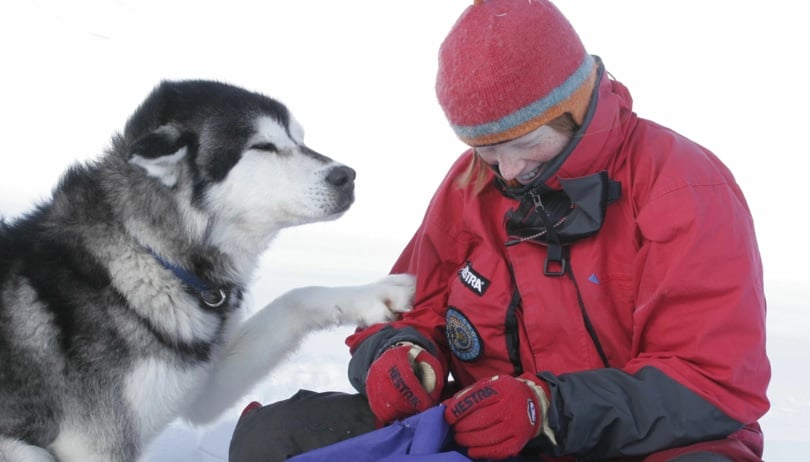
A HELPING PAW: A tear in the sled cover can easily be fixed with a needle and thread. PHOTO: Kristin Folsland Olsen
Knowledge Is Your Best Repair Tool
A repair kit is only useful if you know how to use it. Take time to familiarize yourself with your equipment before heading into the mountains. Learn basic repair techniques and practice simple fixes at home.
When something breaks in the field, creativity often matters as much as the equipment itself. The ability to improvise with the materials you have available is one of the most valuable outdoor skills you can develop.
Get help fixing your clothes at ReTuren
DNT ReTuren is the Norwegian Trekking Association's own repair workshop for hiking clothes and outdoor equipment.
We work to ensure that what you use on a trip will live as long as possible. With us, you can have everything that naturally belongs to outdoor life repaired. You will find us at the Tursenteret in Oslo, Stavanger, Bergen, Hamar and Trondheim.