First Aid on the hike: A Checklist for Accidents and Emergencies
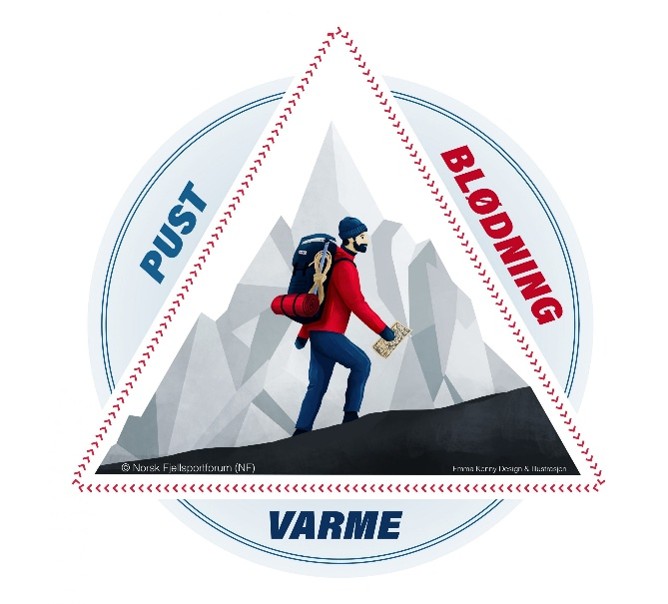
When an accident occurs, it is easy to become stressed and unsure of what to do first. In these moments, the First Aid Triangle serves as a reliable rule of thumb.
Published: July 10, 2026
Tips
The First Aid Triangle is based on three simple, critical principles:
Breathing - Bleeding - Heat
Breathing: Always start by ensuring the injured person has an open airway and is breathing normally.
Bleeding: Next, check for severe bleeding and control it as quickly as possible.
Heat: Finally, protect the injured person from heat loss. Hypothermia can develop rapidly following an injury or trauma, even on days that do not feel particularly cold.
The First Aid Triangle helps you prioritize the most critical actions in the correct order when every second counts.
However, knowledge and regular training are vital to acting confidently. Taking a wilderness first aid course and keeping your skills up to date will ensure you are prepared when someone needs it most.
Use the checklist below as a step-by-step guide to managing an emergency on the trail.
Emergency Response Checklist for Outdoor Accidents
1. Ensure scene safety
Assess the situation immediately to ensure it is safe for you, the rest of the group, and the patient. Prevent the situation from escalating.
2. Check Airways and Breathing
Conscious: The person keeps their own airways open
Altered Mental Status / Decreased Awareness: Maintain continuous contact, and consider placing the patient on their side.
Unconscious: Call 113 (or the local emergency number) immediately. Open the airway and check for breathing:
If breathing normally: Place the patient in the recovery position (on their side).
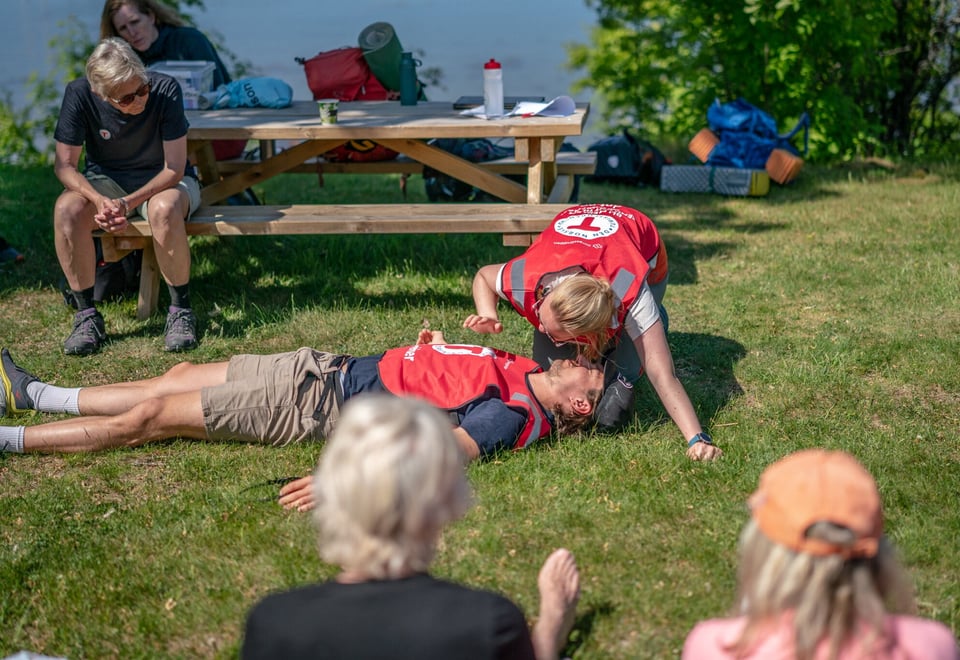
If not breathing or breathing abnormally: Begin Cardiopulmonary Resuscitation (CPR) immediately.
3. Check for bleeding and other injuries
Control and stop all severe bleeding immediately.
Perform a careful head-to-toe examination (always be mindful of heat loss during this process).
Assess for joint injuries and fractures. If a fracture or joint is severely deformed, consider careful realignment if trained to do so.
Protect, dress, and stabilize all wounds and fractures.
4. Prevent heat loss (Hypothermia)
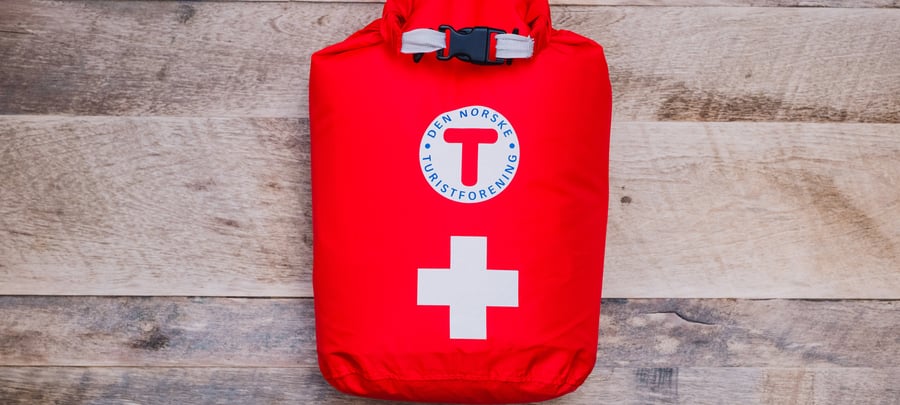
Place the patient on several sleeping mats and inside the vapor barrier bag
Wrap the patient in warm jackets and a sleeping bag. Ensure their head is covered with a hat and hood.
Put the patient inside a windsack (bothy bag/bivvy bag) and utilize external heat sources (such as heat pads) if available.
5. Important elements
Call 113 for emergency medical assistance
Continuously monitor developments and improve life-saving measures:
Breathing, Bleeding and Warmth
Provide care to the patient – information, peace of mind and optimise comfort
Prepare for rescue – If safe and agreed upon with emergency services, move the patient to a suitable pickup point. Make your location visible in the terrain.
In case of helicopter rescue: secure the group and ALL loose objects
Document the incident: Fill out the First Aid Report Form* to hand over to professional medical personnel.
6. Post-rescue care
Take care of the group – provide information and support
Being involved in an accident can be highly stressful. Do not hesitate to seek follow-up care for yourself or others.
Call a trusted friend, contact the local Emergency Room (Legevakt) at 116 117, or call 02415 (Mental Health Helpline / First Aider Support).
* First aid report is a form that can be filled out for handover to professional health care in the event of an accident. Download the first aid report form.
Academic contribution to checklist: Magnus Wethal, Mountain Safety & Medicine AS
The story behind the First Aid Triangle
The First Aid Triangle is based on the knowledge base in the Norwegian Mountain Sports Forum's (NF) educational offer "NF First Aid for Outdoor Life".
The triangle was developed as part of the work on a national standard for first aid in outdoor life, and will give tour leaders, instructors and outdoor people a common and quality-assured tool for dealing with accidents out in nature.
The background is a desire to adapt first aid to situations where help is often far away and the conditions can be demanding.