Practicing "Leave No Trace" means that no one should be able to tell you’ve been there after you leave. We want to enjoy nature without leaving a mark.
The Right of Public Access (allemannsretten) allows us to travel and harvest in the countryside freely. However, this right comes with the duty to consider nature, landowners, and other hikers. By setting a good example and cleaning up after ourselves, we ensure that future generations can enjoy the same experiences we do today.
Campfire Rules and Safety
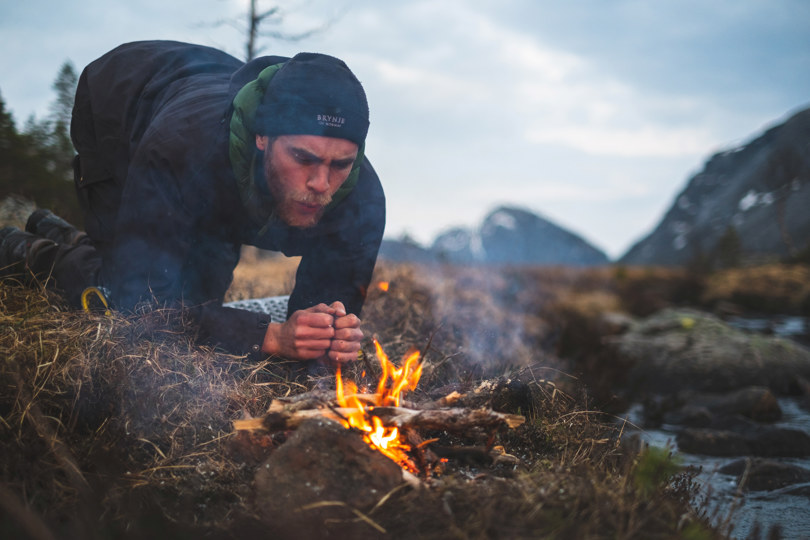
A campfire is cozy, but it requires responsibility
The General Ban: From April 15 to September 15, lighting fires (including disposable grills and fire pans) in or near forests and uncultivated land is generally prohibited.
Exceptions: You may still light a fire where it is clearly safe to do so—such as on snow, or at approved, permanent campfire sites.
Be Responsible: Even outside the ban period, you are legally responsible for any fire you light. Keep fires small; a "coffee fire" is easier to control and leaves less of a trace.
Surface Matters: Always build your fire on sand, gravel, or rocks that won't be damaged. Never light a fire directly on bare bedrock, as the heat will cause the rock to crack and leave permanent scars.
Fuel: Use only dry, dead twigs. Never cut live trees. Avoid using old, dry pine logs, as these are vital habitats for insects and birds.
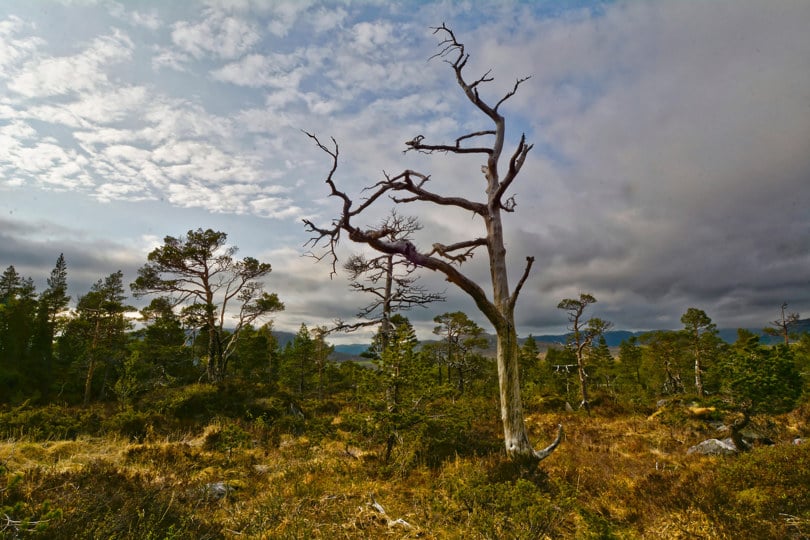
Never use dry pine as firewood, they can be home to insects and fungi, and are important for the ecosystem where they are.
Waste: It is illegal to burn plastic, construction materials, or general trash. Only organic material should be burned.
Extinguishing: Ensure the fire is completely out and the embers are cold before you leave. If you moved stones or logs to build the site, put them back where you found them.
Managing Waste on Your Hike
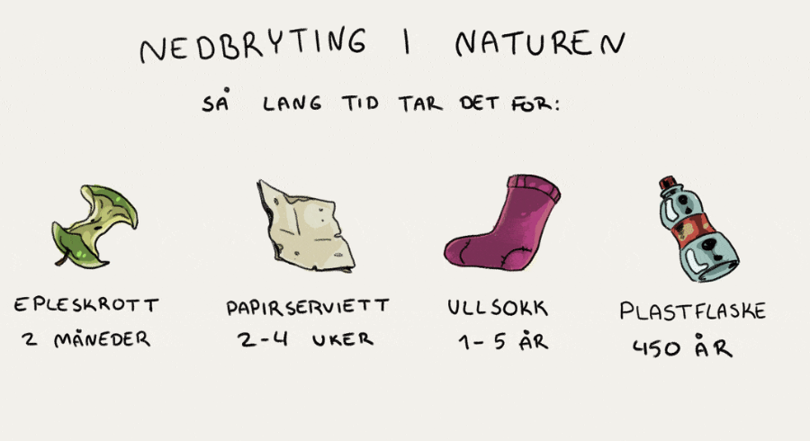
Here is an illustration of how long it takes for ordinary things to decompose in nature.
A good rule of thumb: If you brought it in, take it out.
Many think organic waste like an apple core is fine to leave behind. While one core eventually decomposes, hundreds of them along a popular trail are unsightly and can affect local wildlife.
Tip: Always bring a small bag for your trash.
Decomposition: Nature takes a surprisingly long time to break down "natural" waste. Take everything home with you.
Using the "Bathroom" in Nature
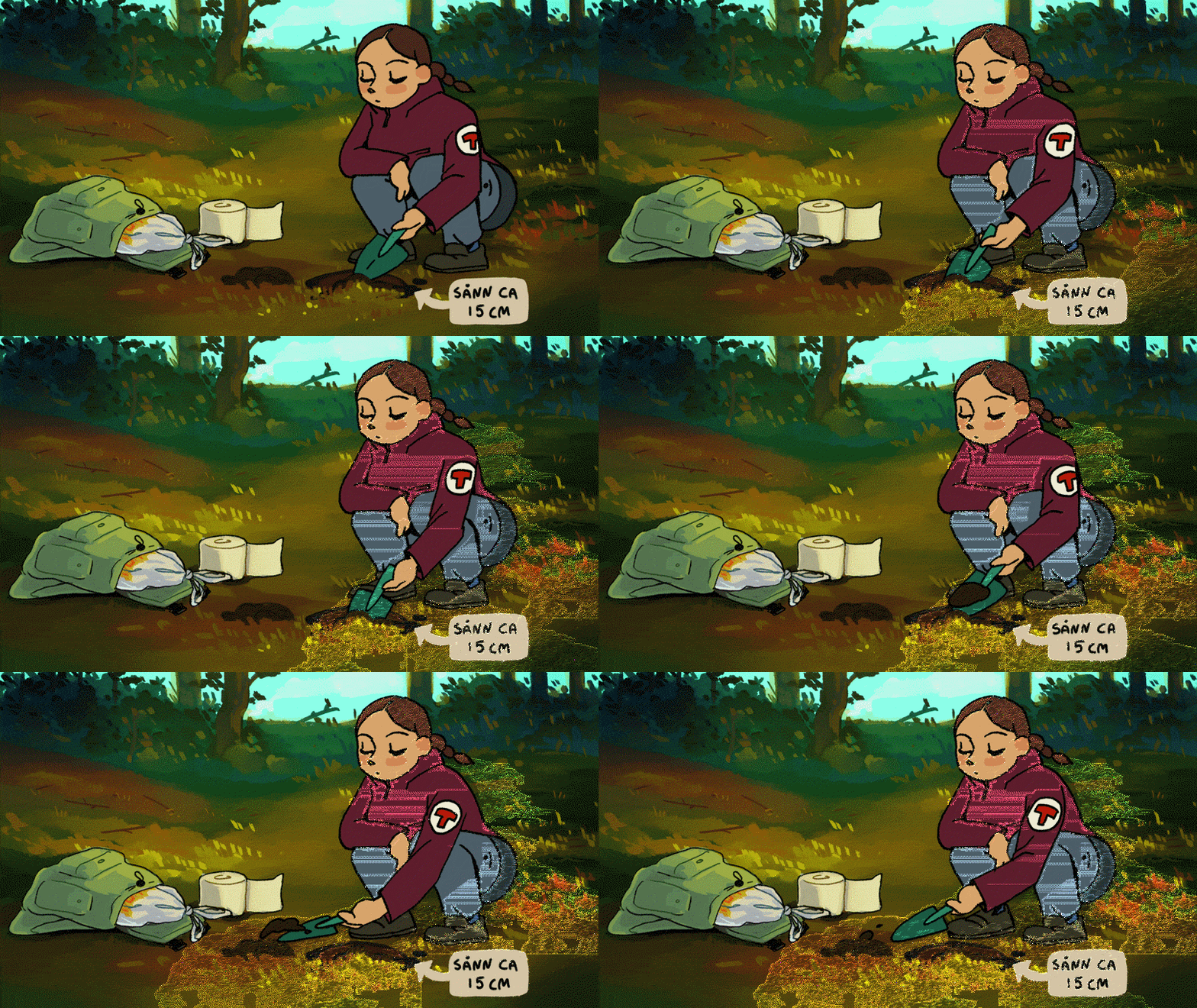
Dig a hole! It can be smart to have a small garden spade with you - it takes up little space in your backpack and weighs little. You can also use a stick or a stone.
Step Away: Move at least 50 meters away from the trail or rest areas, and 100–150 meters away from lakes and rivers.
Dig a Hole: Use a small garden spade, a stick, or a stone to dig a hole about 15 cm deep.
Paper: The best option for nature is to put used toilet paper in a sealable bag and take it home. If you must leave it, bury it deep in the hole or burn it (only if safe/legal).
Cover Up: Fill the hole with soil, stones, or moss so animals cannot dig it up.
Camping and Hammocks
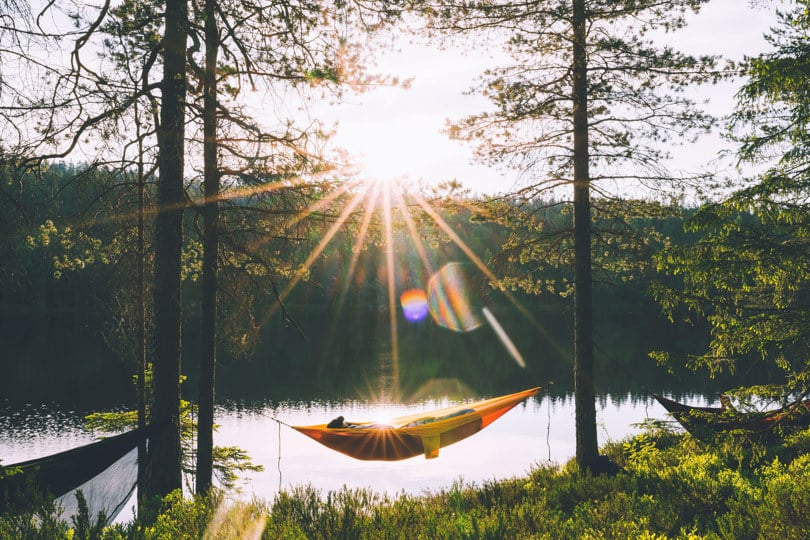
Here's what to keep in mind: Keep track of your things, always bring a garbage bag, and leave the place nicer than it was!
Hammocks: Use wide, flat straps ("tree huggers") to avoid damaging the tree bark. Choose sturdy trees and avoid hanging multiple hammocks from the same trunk.
Tents: Choose durable surfaces and ensure you leave the site exactly as you found it—or even cleaner!
Respecting Wildlife
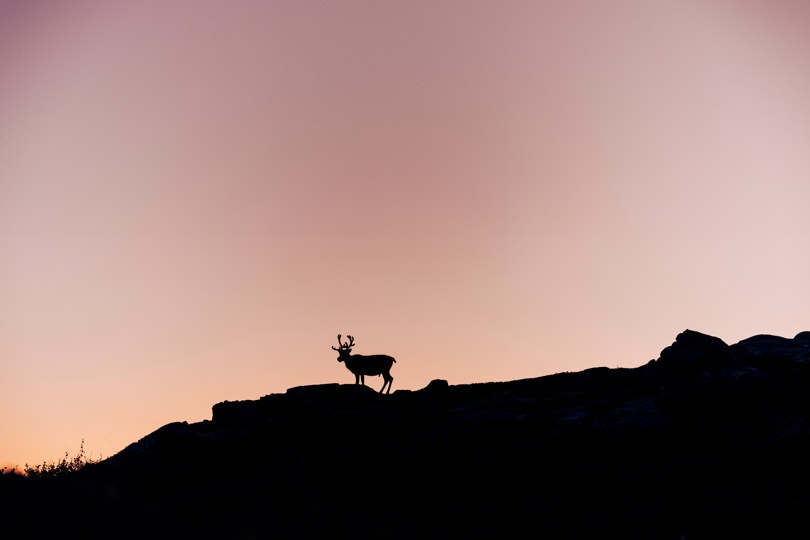
Stay still if you see wild reindeer, so that they can move away undisturbed.
Wild animals are easily stressed by human activity, even if we don't realize it.
Keep Your Distance: Use binoculars to observe animals. If you encounter wild reindeer, stay still and let them move away undisturbed.
Leash Laws: In Norway, dogs must be kept on a leash from April 1 to August 20. This is to protect nesting birds and young livestock. During this period, avoid using long "flexi-leads" near known nesting areas.
How to Avoid Disturbing Wildlife
Stay on marked trails: This helps keep human activity predictable for the animals.
Keep your distance: If you encounter wild animals, stay still and allow them to move away undisturbed. If you must pass them, walk in a wide arc around the animal.
Observe from afar: Use binoculars to get a closer look without encroaching on their space.
Stay downwind: Animals have a keen sense of smell. If possible, move so that the wind is blowing from the animals toward you (staying downwind), rather than carrying your scent toward them.
Stay low: Keeping a low profile in the terrain makes you appear less threatening.
Respect leash laws: Always keep your dog under control. During the mandatory leash period (April 1st – August 20th), dogs must be kept on a short, fixed leash. Avoid using long or retractable "flexi-leashes" near the trail, as these can still allow dogs to disturb ground-nesting birds and vulnerable young animals.
Leave no trace principles
Nature has room for everyone. Our goal is to encourage outdoor recreation while simultaneously protecting the environment and ensuring everyone's safety. To achieve this, it is essential that every visitor practices responsible outdoor ethics. By following these principles, we can all enjoy the wilderness today while preserving it for future generations.
The right to roam is a fantastic common good we have in Norway. It gives us the opportunity to engage in outdoor life and the right to use nature, regardless of who owns it.