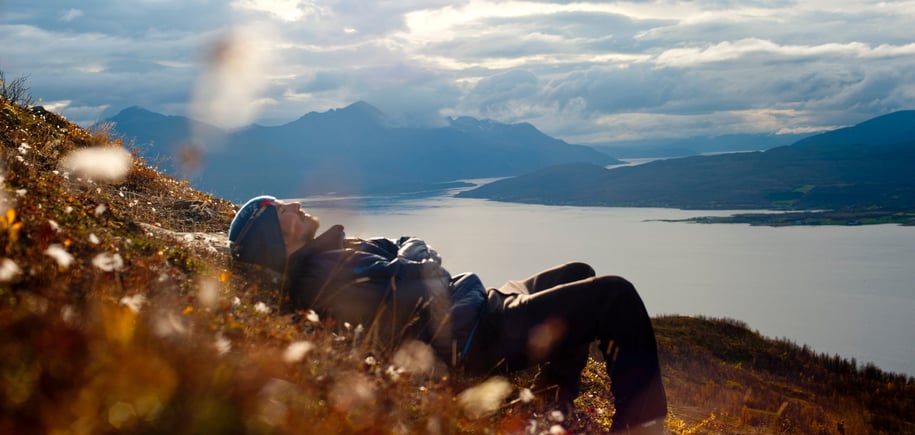
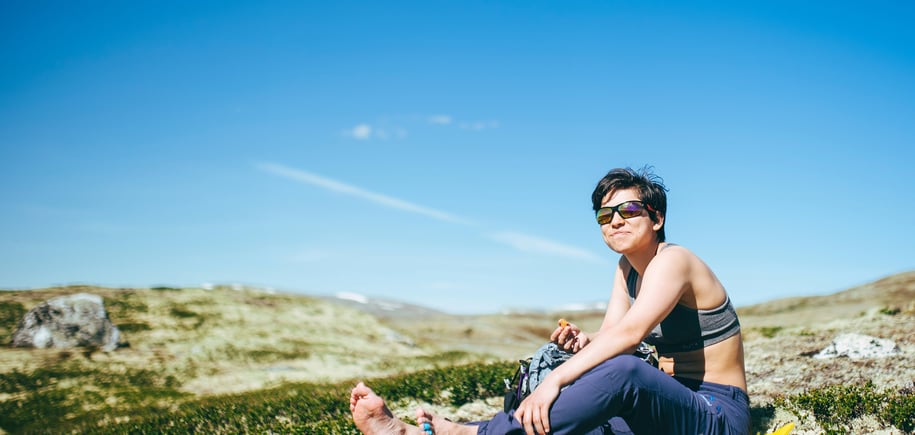
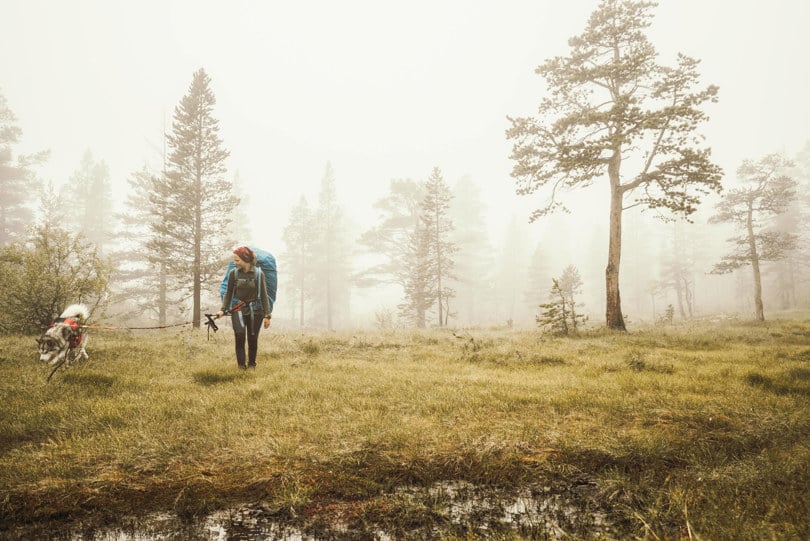
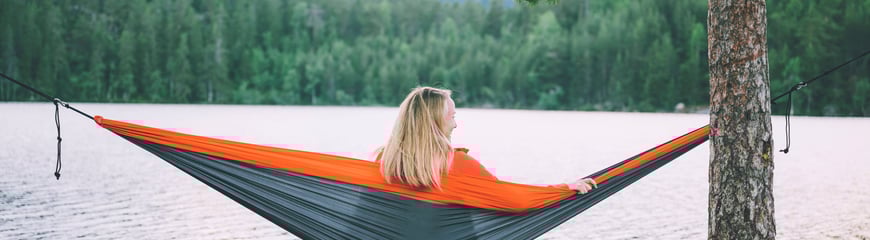
The Right to Roam applies in the forest, by the sea, and in the mountains. It gives you the right to explore the countryside on foot or on skis. Additionally, you are free to take breaks, cycle, ride horses, swim, paddle, and row. This applies to both private and publicly owned land
What is the difference between "Cultivated" and "Uncultivated" land?
In Norway, we distinguish between Inmark (Cultivated/Developed land) and Utmark (Uncultivated/Wilderness).
Cultivated Land (Inmark): Areas where land has been developed or farmed, such as house plots, private gardens, courtyards, farmyards, industrial areas, and fields used for hay or grazing.
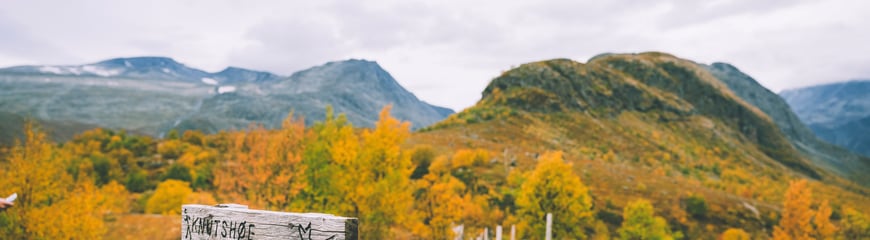
Uncultivated Land (Utmark): Everything else. This includes most forests, mountains, lakes, rivers, beaches, and marshes.
Where can I hike or ski?
Uncultivated land is uncultivated land and includes most of the water, beach, marsh, forest and mountains.
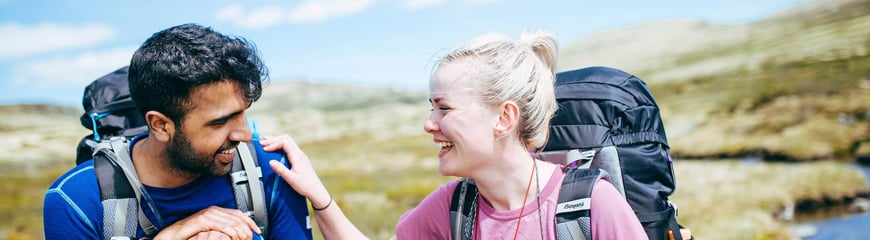
The Right to Roam gives you the right to travel freely on foot and on skis in uncultivated land year-round. This applies whether you follow paths and roads, prepared ski trails, or find your own way.
In Winter: You can also walk or ski on frozen or snow-covered fields and meadows (cultivated land).
Near Houses: You can travel on paths and roads in cultivated areas all year round, but remember to keep a respectful distance from farmyards, houses, and cabins.
Where can I rest and spend the night?
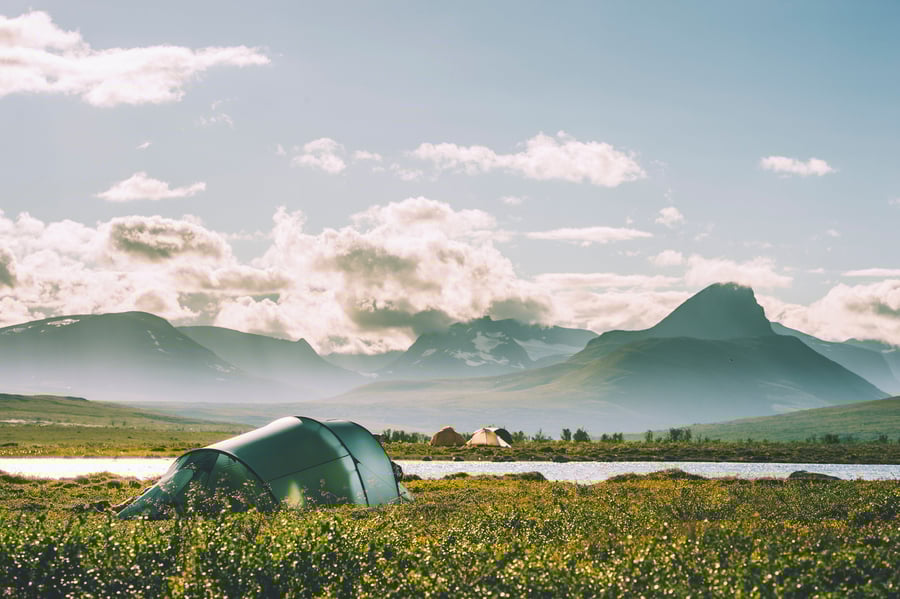
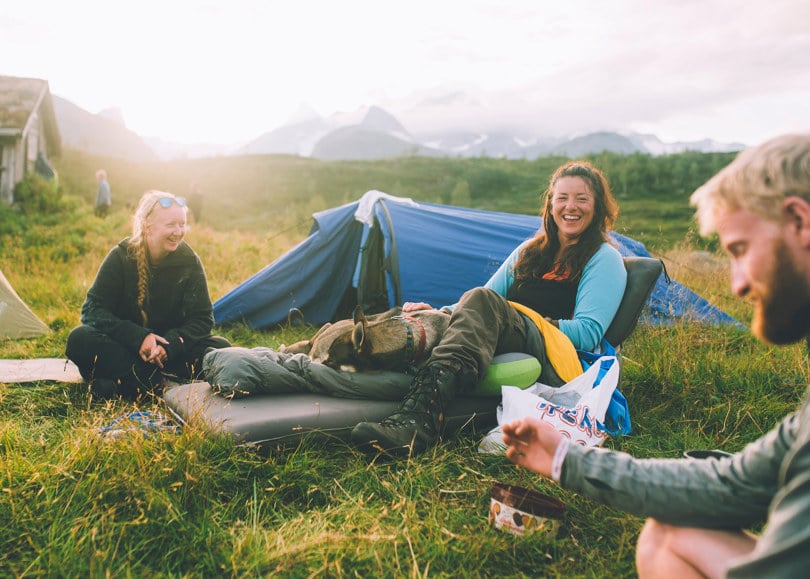
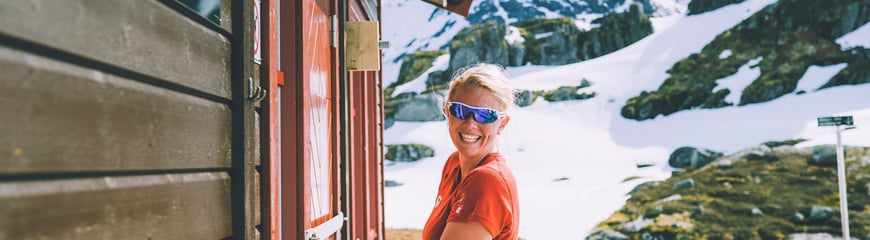
You can rest and spend the night wherever you want in the countryside, but not next to where people live. Remember to clean up after yourself before you leave.
You can stop for a break or spend the night in the countryside, provided you respect the privacy of others.
Distance: Camping or staying overnight must take place at least 150 meters from the nearest inhabited house or cabin.
Duration: You can camp in the same spot for up to two nights without asking the landowner for permission. In remote mountain areas, you can stay longer.
Cleanliness: Always clean up after yourself. Leave no trace.
Where can I cycle or ride?
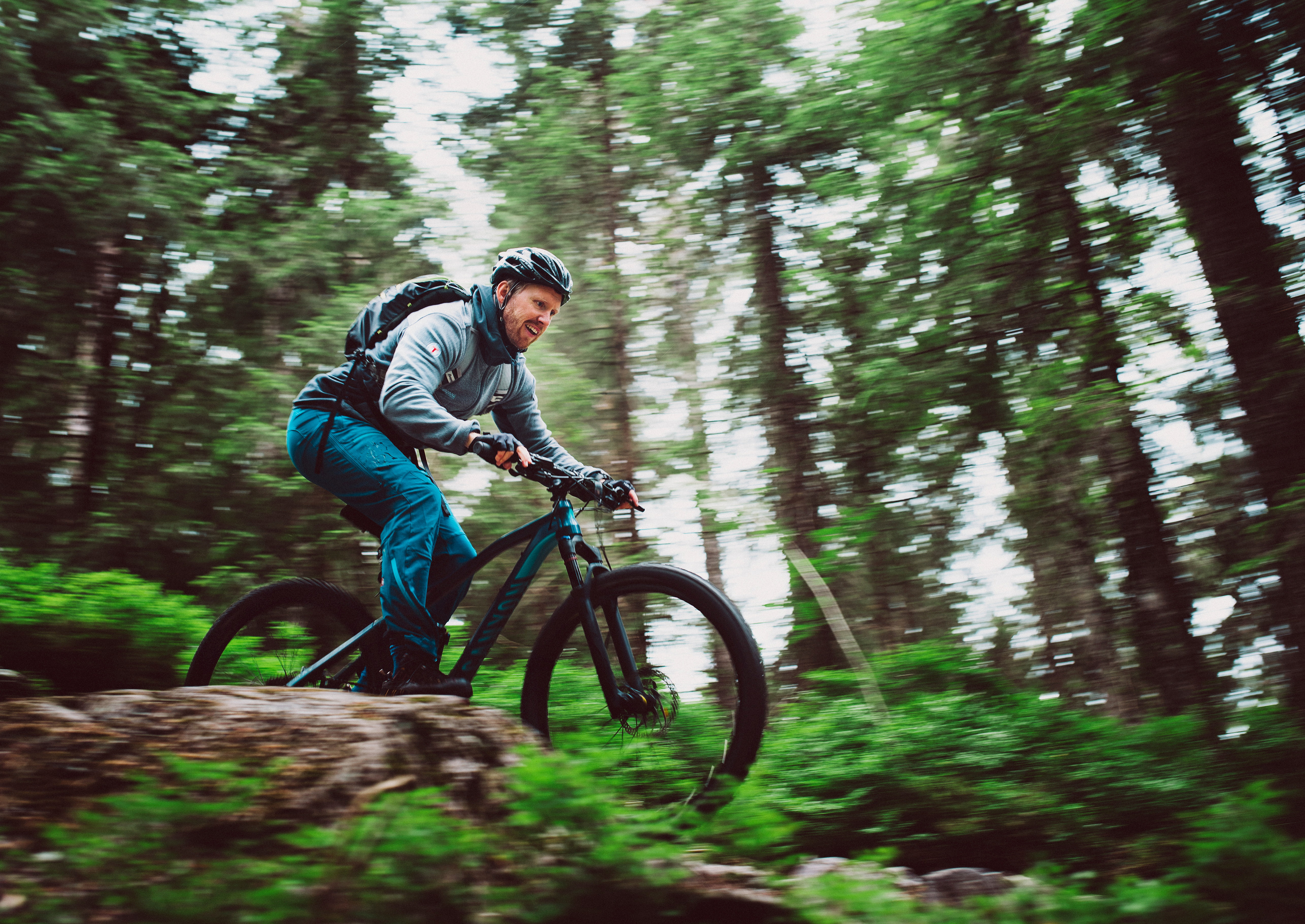
You can, with some reservations, cycle in the countryside. It is part of the right to roam.
Cycling and horseback riding are part of the Right to Roam, with some reservations.
You can ride or cycle where there is a general right of way, but ensure the terrain or path can withstand the use without damage.
In protected areas or national parks, specific local rules may apply.
Where can I swim, paddle, and row?
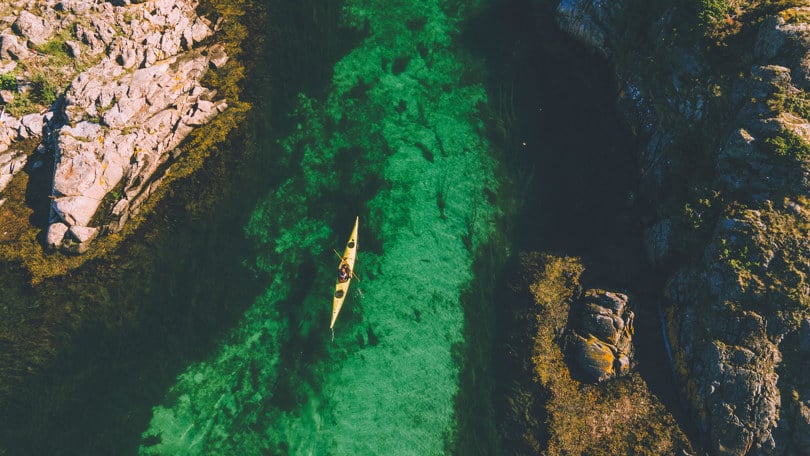
At sea, you are free to use a boat with and without a motor.
At Sea: You are free to use boats (with or without a motor). You can swim from rocks and beaches. Permission is required to swim from a private jetty.
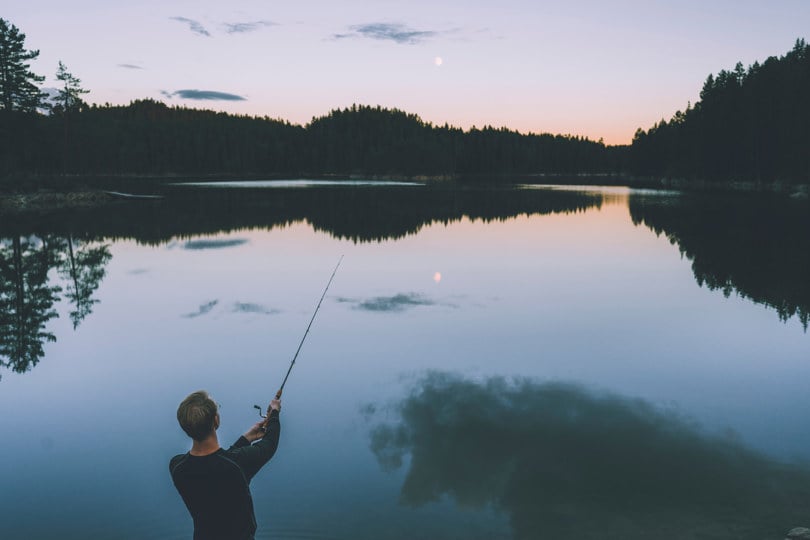
Freshwater: You can row, sail, and paddle freely on lakes and rivers.
Mooring: You can pull a boat onto a beach in uncultivated land for up to 24 hours. For longer stays, you must agree with the landowner.
Where can I pick berries, mushrooms, and flowers?
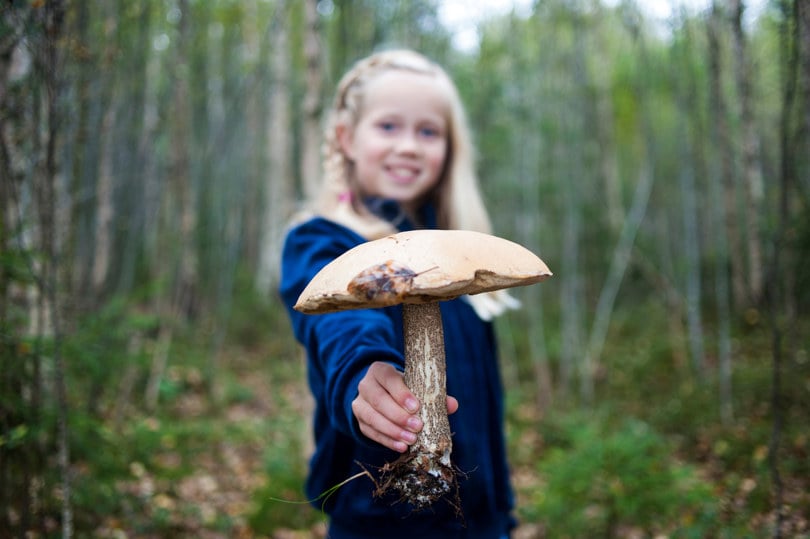
You can pick berries, mushrooms, flowers and herbs in the forest and in the mountains when you are in the countryside.
You can forage for berries, mushrooms, flowers, and herbs in uncultivated areas.
Limitations: Do not pick protected or endangered species.
Roots: You are not allowed to remove whole plants with their roots.
Cloudberries: There are special rules for picking cloudberries in Nordland, Troms, and Finnmark. Often, you can pick berries for immediate consumption on-site, but not for taking home.
Enjoying the outdoors is a shared experience. Following these simple guidelines ensures that we protect nature and respect our fellow hikers.
Respect the Environment
Leave No Trace: Always practice "traceless travel." Carry out everything you bring in and leave the area exactly as you found it.
Protect Nature and History: Avoid damaging vegetation and keep a respectful distance from sites of cultural-historical value, such as stone ruins or burial mounds.
Do Not Disturb Wildlife: Maintain a respectful distance from birds and animals, especially during nesting and breeding seasons.
Respect Others
Keep the Peace: Many people hike to enjoy the silence. Avoid loud music or unnecessary noise that may disturb the tranquility.
Share the Trail: Be courteous and make room for others, whether you are walking, running, or cycling.
Respect Private Property: While the Right of Public Access is broad, always respect the privacy of those living in houses or cabins near the trail.