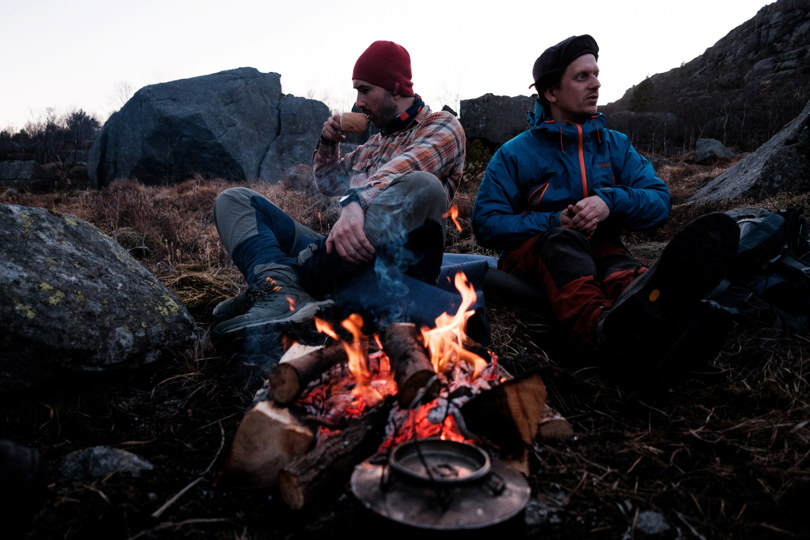
The Right to Roam is a set of rights for everyone enjoying Norwegian nature. However, these rights come with duties, simple rules for considerate behavior. Your right to travel freely is based on the condition that you do not damage nature or infringe on the interests of others. Without this caution, the right to access does not apply.
1. Know the Right to Roam
The Right to Roam allows for considerate travel, camping, and foraging in uncultivated land (utmark), regardless of who owns it.
Uncultivated land includes most water, beaches, marshes, forests, and mountains. Cultivated land (inmark) includes gardens, yards, houses, cabin plots, and industrial areas. It also includes active farmland (fields and pastures), though you may travel here when the ground is frozen or snow-covered.
2. Respect Nature and Cultural Heritage
We experience nature on nature's own terms.
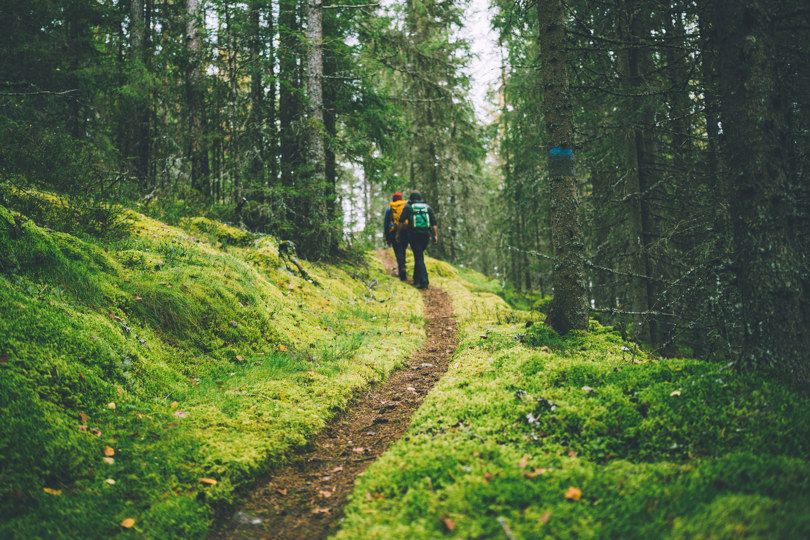
In high-traffic areas: Stick to marked trails and established campsites to limit wear and tear on the ground.
In remote areas: Spread out your travel to keep the wilderness feel. Avoid damaging vegetation or disturbing wildlife.
Cultural Heritage: Do not damage objects or areas of historical value (ruins, old buildings, or archaeological sites). Many are protected by law.
3. Be Considerate of Other Hikers
Be polite and respectful toward the people you meet. If disagreements arise regarding access or rights, everyone should work together to find a friendly solution. The Outdoor Recreation Act is written with the intent that conflicts be solved through common sense and cooperation.
4. Respect Residents and Landowners
People living in houses or cabins near the wilderness have a right to a private zone.
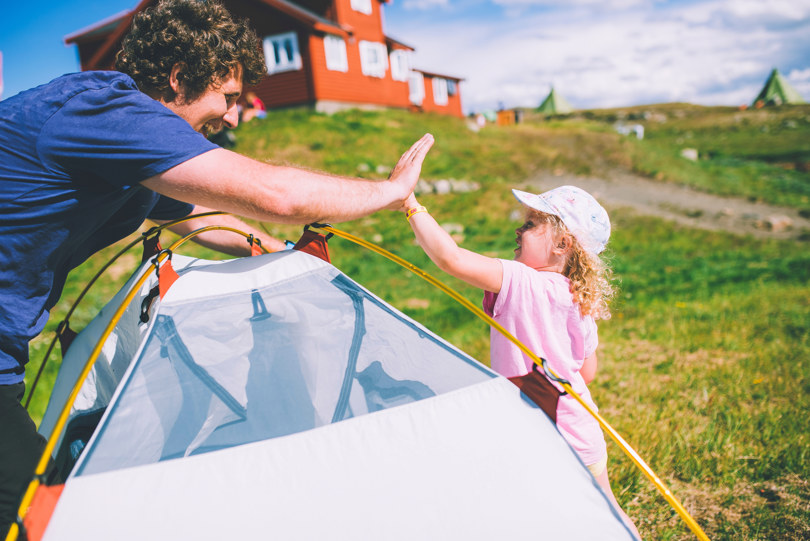
Camping: Without the landowner's permission, you must camp at least 150 meters from inhabited houses or cabins.
Privacy: Use your judgment—factors like terrain, vegetation, and noise levels affect how close you can respectfully be.
Business interests: Do not interfere with farming or forestry. Close gates behind you, do not damage fences, and stay clear of young tree plantations.
Fire Bans: A general ban on campfires applies from April 15 to September 15. You may only light a fire if it is clearly safe (e.g., at an approved fire pit or on snow). You are always responsible for fire safety!