The development of renewable energy such as wind power, hydropower, and power lines has occupied and damaged large areas of important and vulnerable nature. DNT recognizes that the world needs to transition from fossil fuels to renewable energy to reduce greenhouse gas emissions, but this transition must happen on nature’s terms.
We cannot save the climate by destroying nature. Therefore, we work to ensure that Norway's energy policy is better coordinated with its environmental policy. DNT's main goal for nature-friendly energy production is to prevent energy development in intact and vulnerable nature, and to reduce the negative impacts on important natural and outdoor recreation values caused by energy production and transmission.
DNT’s Position: DNT believes that the overarching policy for all energy cases requiring a license should be based on the principle of minimizing natural intervention and environmental impact per produced kWh. This means:
Primarily utilizing already developed ("gray") areas for new energy production rather than untouched nature.
Increasing the commitment to energy efficiency.
Establishing quantifiable national targets for energy saving.
Prioritizing which projects are allocated electrical power.
Strengthening the legal protection of nature.
Giving greater weight to the value of intact natural, cultural, and outdoor recreation areas when evaluating the societal benefits and disadvantages of a development.
Consequently, DNT is an active advocate for a more nature-friendly energy policy and better environmental considerations regarding legislative changes, white papers, the drafting of regulations and guidelines, and in specific local cases.
Wind Power
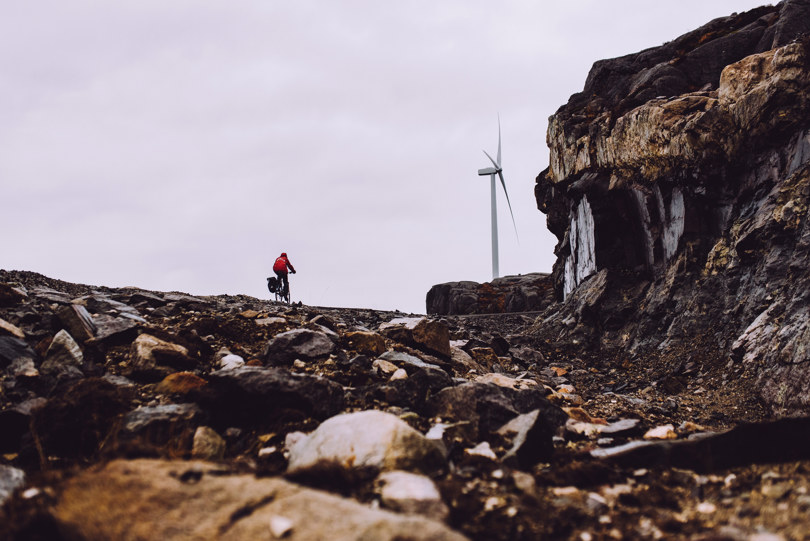
DNT believes that wind power plants in important natural, cultural, and outdoor recreation areas must be avoided. Onshore wind power is the most land-intensive form of energy. Approximately 800 meters of service road is built per turbine, and each turbine requires a construction site the size of half a football field. The development seen in recent years constitutes some of the largest land interventions in Norwegian history. Much of this construction occurs in untouched, vulnerable natural areas and rugged landscapes. The transport of turbine components leads to the most significant terrain interventions, requiring blasting and filling to construct access roads, internal roads, and turbine pads.
These land interventions destroy vulnerable vegetation, including carbon-rich peatlands, create barriers to wildlife migration, and displace animals, posing a particular threat to birds and bats. Areas with a continuous untouched character, which are frequently used for traditional, simple outdoor recreation, are lost. The risk of ice throw also makes these areas unsafe to use for large parts of the year.
DNT works for better legal protection for nature within the general framework for onshore wind power legislation, including criteria for early rejection of license applications, as well as renewable energy regulations for wind power, solar power, and hybrid plants.
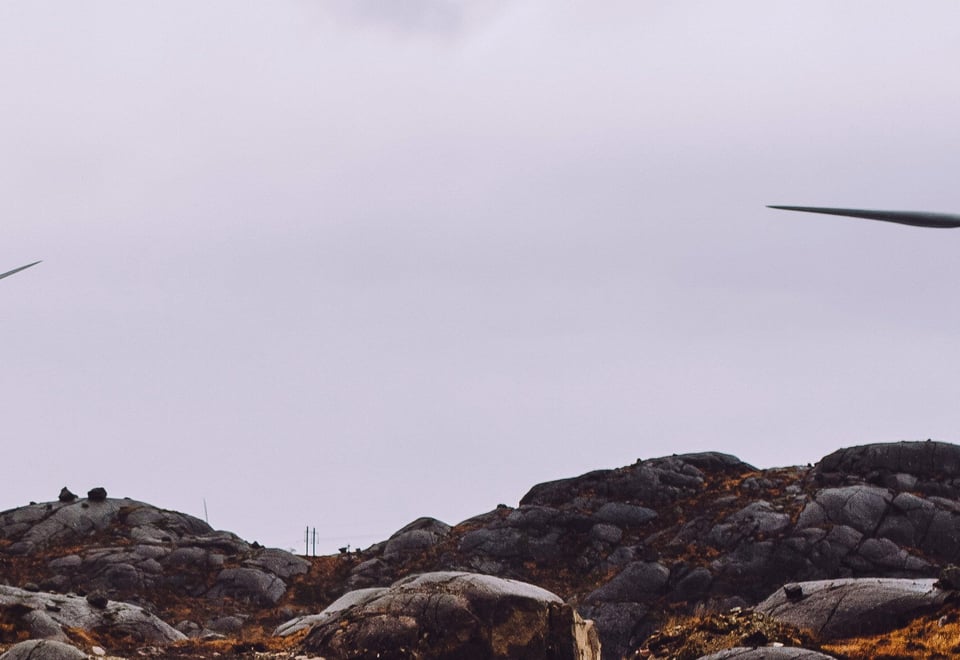
Photo from Egersund Wind Farm.
Solar Power
The Government has a target to reach 8 TWh of solar power production by 2030. The size of ground-mounted solar plants varies from 100 to 1,500 decares (25 to 370 acres). Together with the associated infrastructure, this development can potentially occupy significant areas and represent major interventions in nature. Several of these facilities must be fenced in, which conflicts with the public right to roam (allemannsretten) and outdoor recreation values. However, ground-mounted solar power also has a high potential to relieve pressure on other renewable developments, such as onshore wind power. Therefore, the regulatory framework for solar power must guide developments toward more nature-friendly solutions.
DNT believes that solar power should primarily be located in already developed areas ("gray areas"). Ground-mounted solar power must be integrated into the Planning and Building Act with mandatory zoning plans, and fencing should be avoided to the greatest extent possible.
Hydropower and Review of License Terms
The most prominent environmental effects of river regulation are reduced water flow, altered water temperatures, changed sediment transport and quality, and disrupted fish migration. This negatively impacts both natural and outdoor recreation values, leading to altered landscape experiences, barriers to travel, and negative cumulative impacts on biodiversity and ecosystem services.
A solid foundation of knowledge and relevant environmental conditions must form the basis of any development. DNT believes that maintaining a viable minimum water flow should be standard practice in all watercourses when license terms are reviewed, and that harmful peak-load operation (effektkjøring) must be avoided as a principle. Furthermore, DNT maintains that there is no basis for renegotiating the status of permanently protected watercourses.