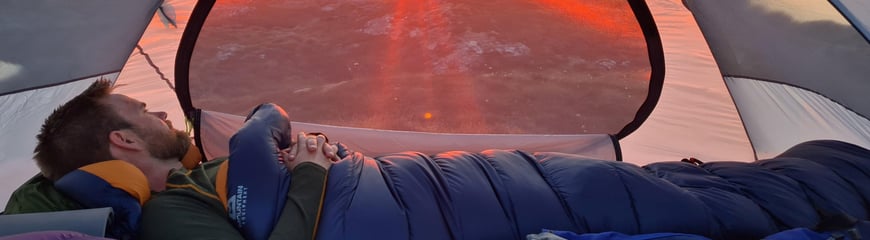
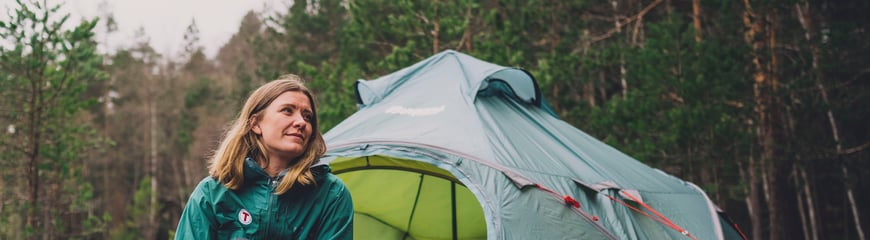
Sleeping outdoors doesn't have to be complicated. Whether you're in a tent, hammock, or under the stars, it can be easy, fun, and comfortable. Here are ten tips for pleasant summer nights in nature.
Published: February 24, 2026 Written by:
Kristin Folsland Olsen
Tips
You can sleep outside in the garden, in the mountains, in the forest or on a rocky outcropping. You can go long or short, bring gourmet food or a freeze-dried meal. You can fish your own dinner, or stick to slices of bread with Nugatti (chocolate spread).
The equipment does not have to be new or expensive. If you have a suitably warm sleeping bag and a good sleeping mat, you are well on your way.
If you don't have much experience sleeping outside, it's a good idea to start with a night or two in the local area, to gain experience before embarking on a two-week trip in the mountains. A good start can be to get out into the field where you live, head for a pond and find a nice campsite.
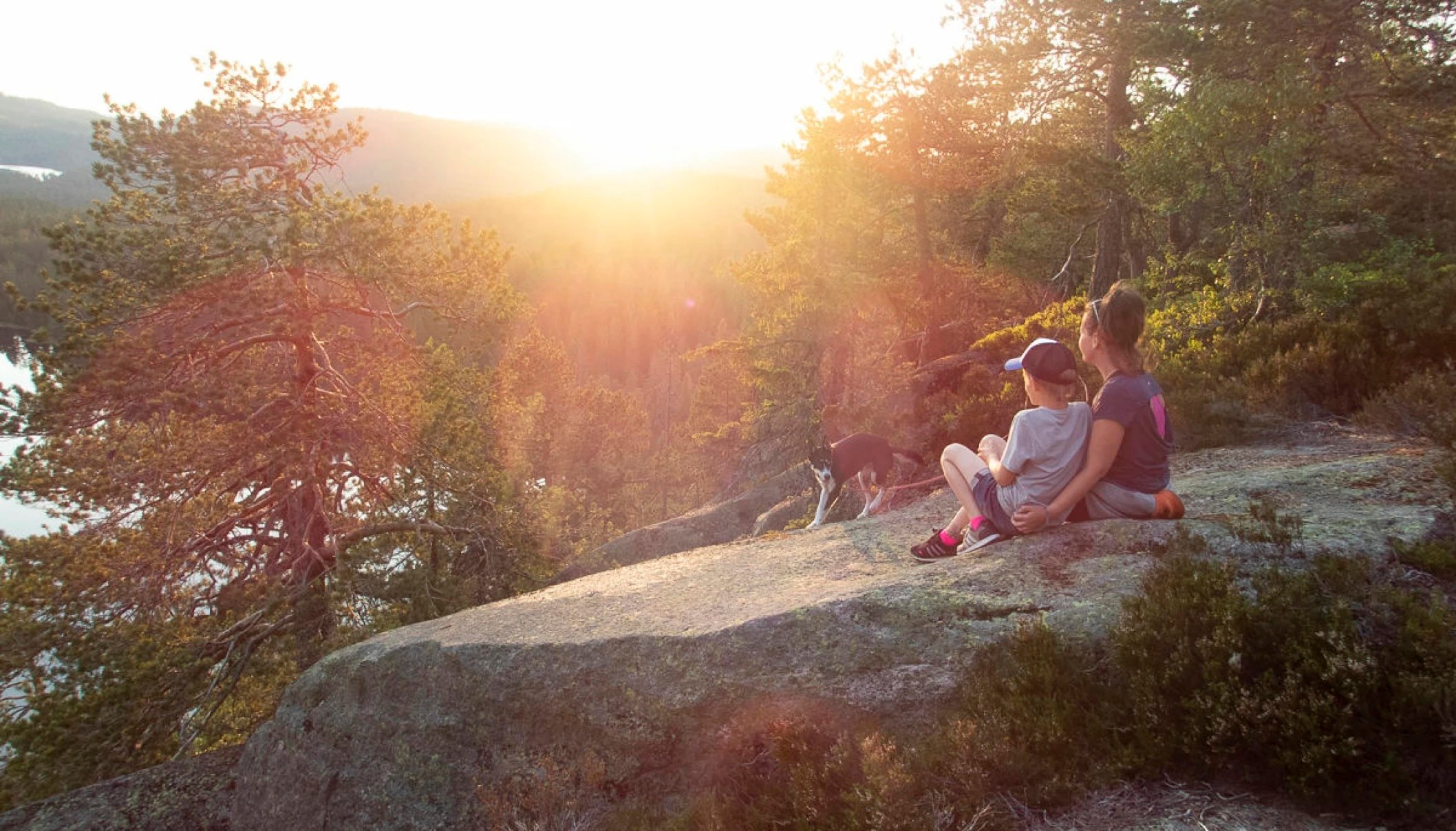
THE IMMEDIATE AREA: You can start by sleeping out in the woods where you usually go on day trips and are well acquainted. Photo: Kristin Folsland Olsen
2. What do you need to bring?
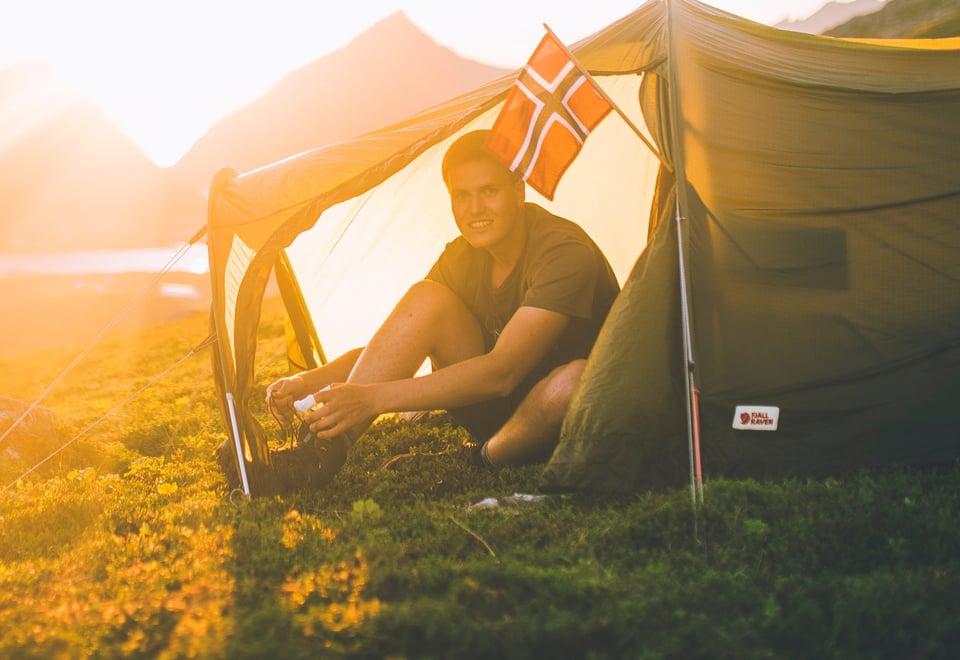
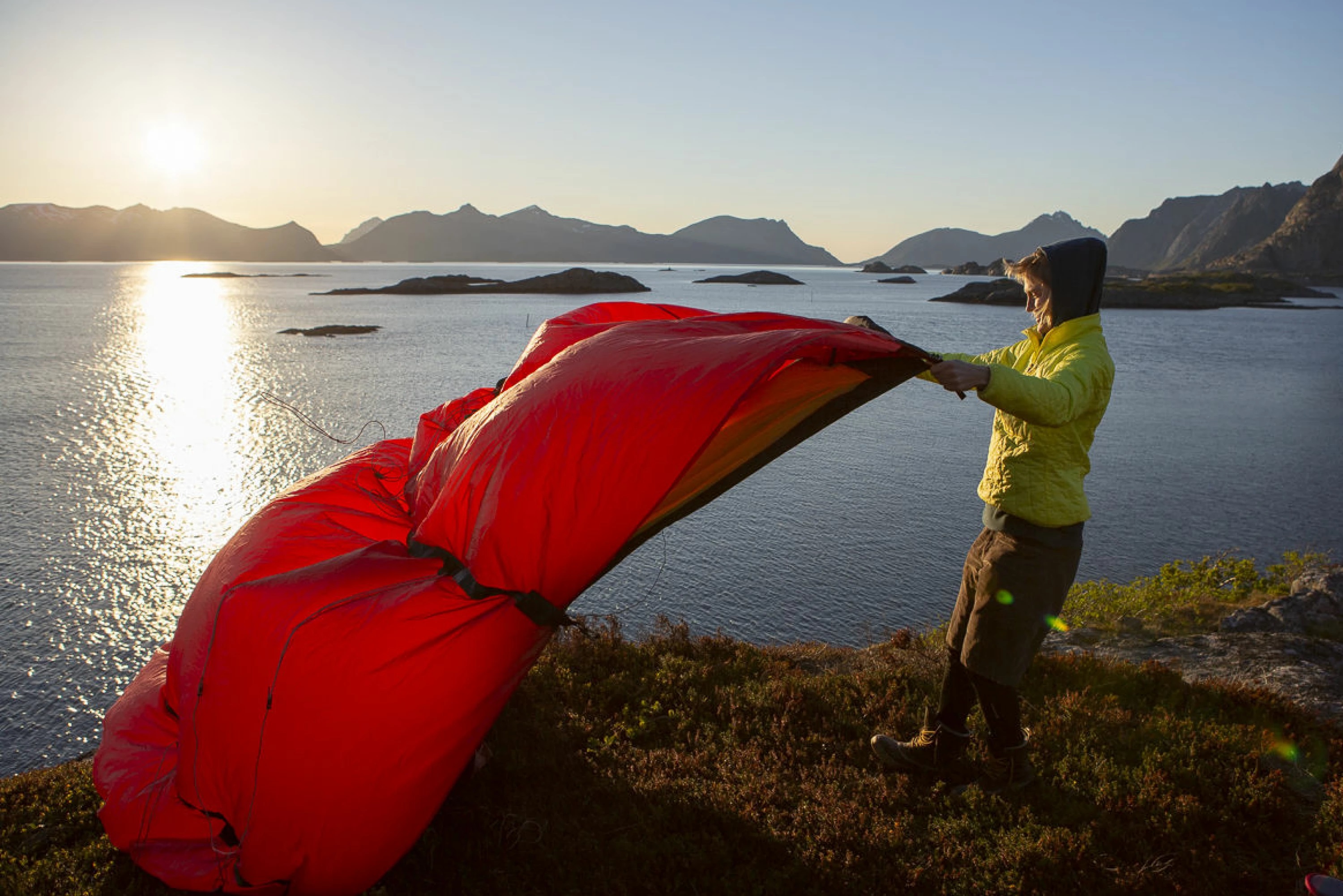
You don't need a lot of equipment for a night out. The most important thing is a sleeping bag that suits the temperature, and a good sleeping mat. A tent protects you from the elements, and not least insects. Swarms of mosquitoes and flies can ruin a good night's sleep. If you are lying on the ground or in a hammock, it may be a good idea to use a tarp (light tent cloth) to protect against rain.
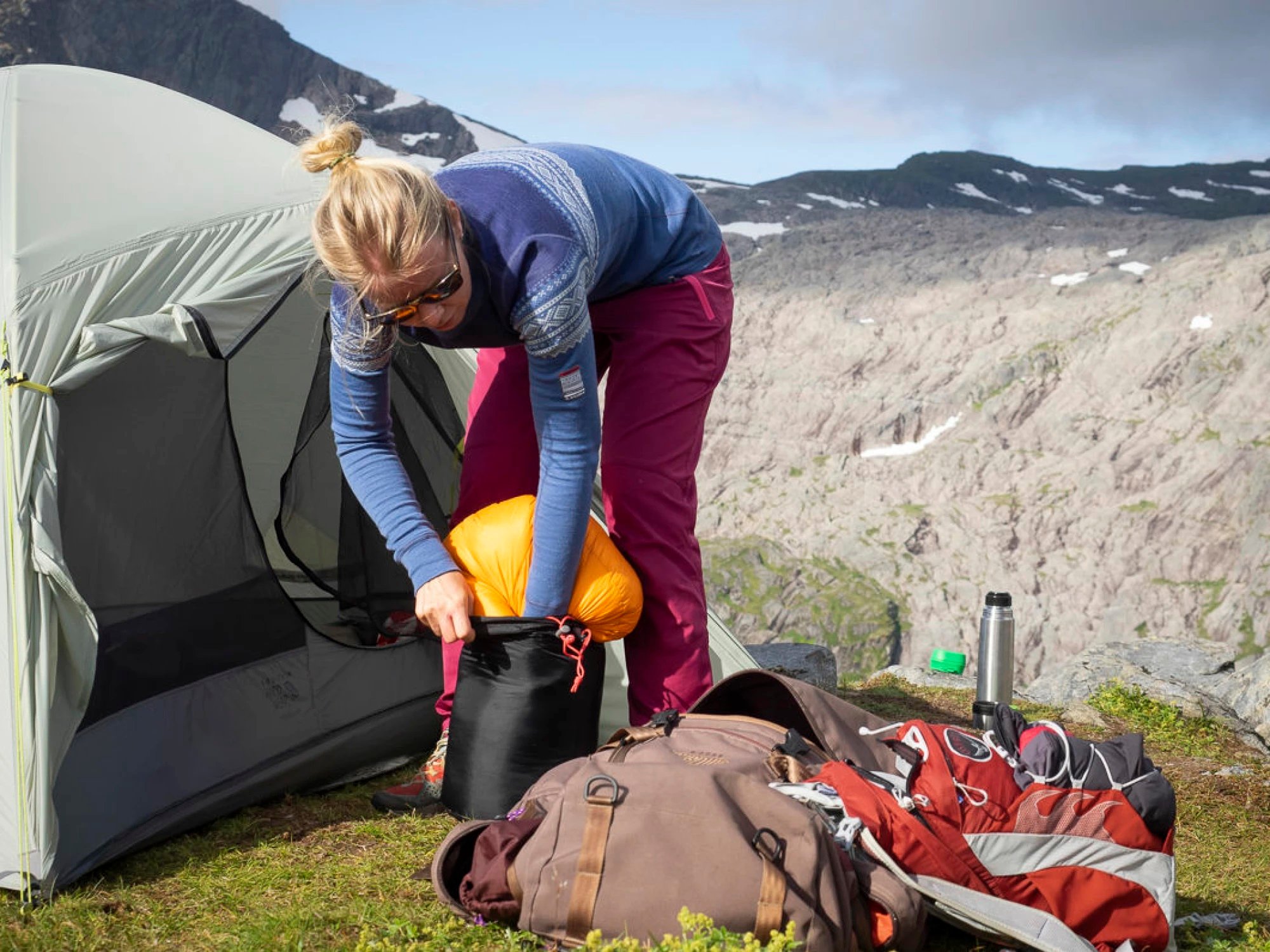
EQUIPMENT: Good and proper equipment makes the experience more comfortable. Photo: Kristin Folsland Olsen
3. Sleeping pad
If there's something you're going to spend money on, it's the sleeping mat. A good sleeping pad is the key to success when it comes to sleeping well outside. It should insulate against the cold from below. A foam sleeping mat can withstand a lot of knocking and can be placed directly on twigs or stones, and can handle a fire spark. Inflatable mats are softer and more comfortable to lie on, but do not tolerate sharp stones or twigs.
Carry a repair kit for the inflatable pad in case of a puncture. The sleeping mats with a filling of down provide extra insulation. If necessary, bring a small foam underlay in addition to an inflatable underlay for comfort.
4. How are you going to sleep?
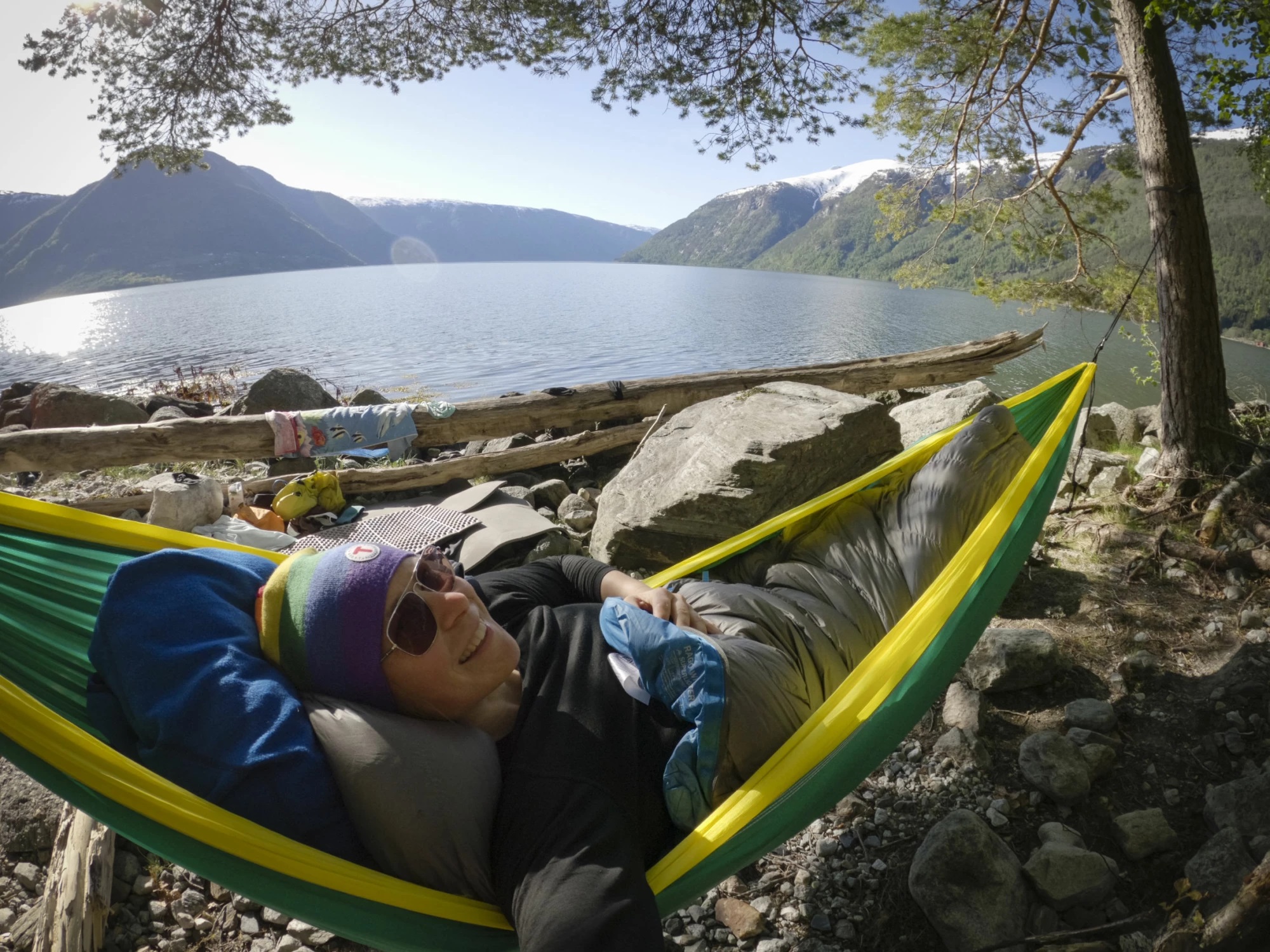
If you are going to sleep in a tent, or under the open sky on the ground, it is a good idea to find a dry, even and preferably soft surface you can lie on, such as moss, heather or grassland. Then you get a lovely natural bed, and it is easy to set up the tent. If it is difficult to find a level surface, you can build up with spruce needles for softer surfaces.
Attach guy ropes to trees or rocks, and place a stone on the tent pegs if they do not fit well in loose ground. If you are going to sleep in a hammock, you do not need to think about level ground, but rather focus on finding two trees 3-5 meters apart. Hang the bunk at least 50cm above the ground, it sags a little during the night.
AIRY: If you sleep in a hammock, you don't have to worry about uneven ground. Photo: Kristin Folsland Olsen
5. Choice of campsite
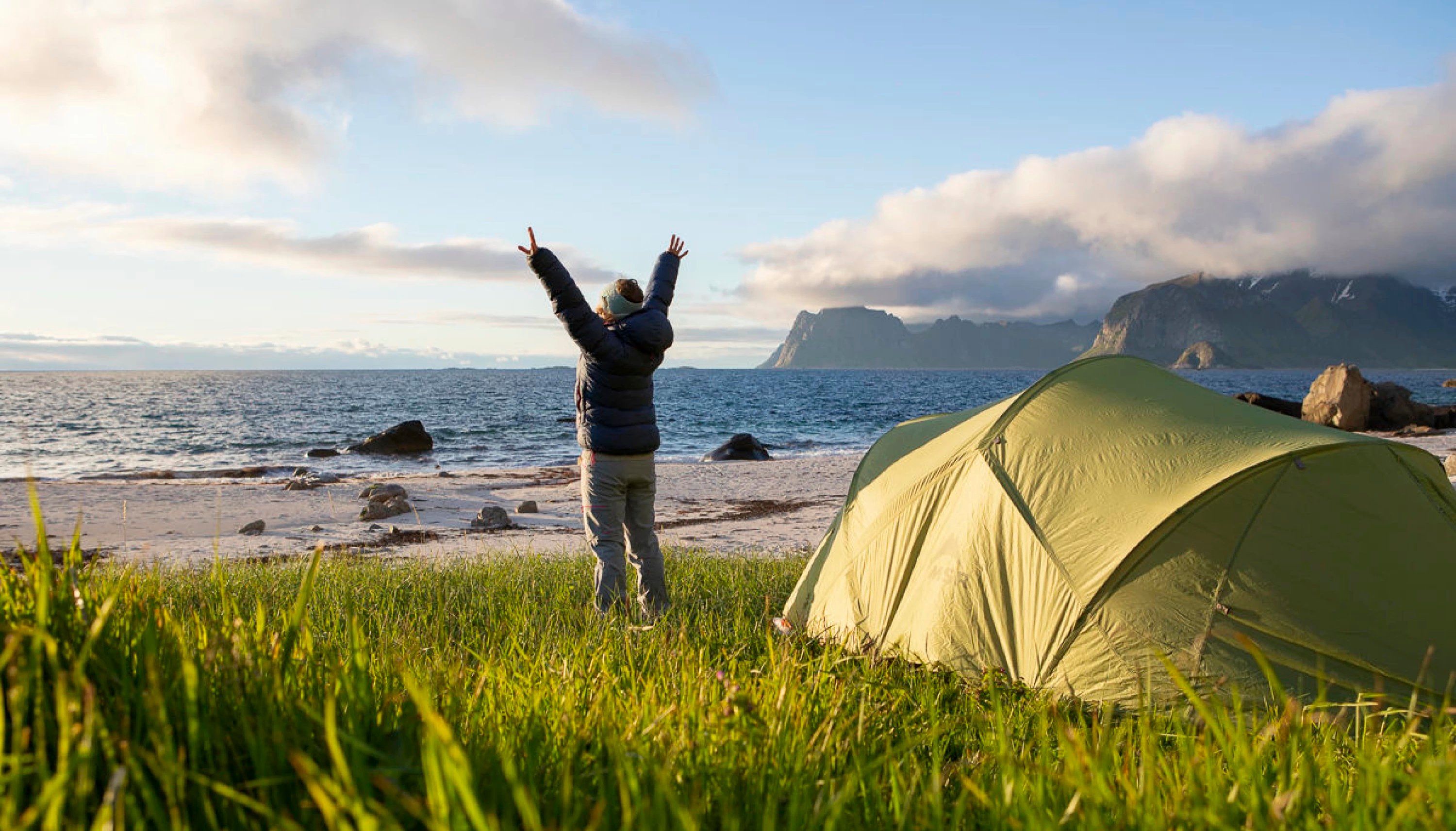
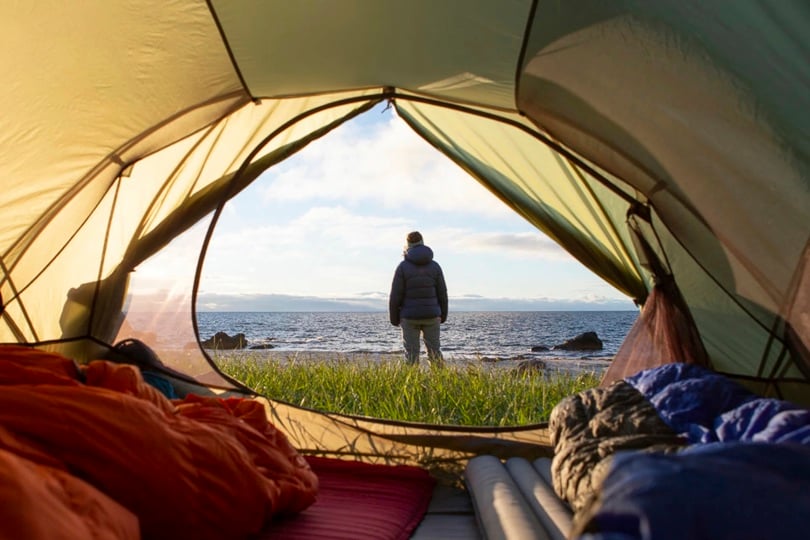
Find a place where you think it's nice to stay. The campsite should give you shelter from rain and wind, so seek out the forest if the weather is unsafe. If there is only good weather in sight, you are more free and can lie open and airy.
Do you have the drinking water you need with you, or do you rely on fetching water from a stream? If so, it is convenient that it is nearby. Think about where the sun rises and sets. If the sun hits the tent fabric early in the morning, the inside of the tent can turn into a sauna. But at the same time, it can also be nice to have sun for the morning wash.
CAMPSITE: The combination of soft heather surface and beautiful views makes for a good campsite. In good weather. If the weather is rough, sheltering should be the highest priority. Photo: Kristin Folsland Olsen
6. Cooking
A light gas burner for cooking and boiling water is the easiest thing in the summer. You can do fine with cold food too, but it's a little extra fun with a cup of coffee and a hot meal. Feel free to light the burner on stony ground right at the water's edge for fire safety.
7. What are you going to sleep in?
What to wear at night depends on how cold it is outside, how warm your sleeping bag is, and how easily you freeze. If it's chilly outside, it's comfortable to wear a thin layer of wool underwear. If it gets too hot, you better get undressed. A thin hat is comfortable to wear and protects against heat loss.
8. Get up and pee
If you wake up at night because you have to pee – get out of your sleeping bag and do something about it right away. You are guaranteed not to sleep well for the rest of the night if you lie and hold on. By answering nature's call you will stay warmer aswell!
EMPTY YOUR BLADDER: Do you wake up at night to having to pee, get up and pee. Photo: Kristin Folsland Olsen
9. Toilet visits
If you are out spending the night in urban areas where many people travel, it is extra important to be considerate when it comes to toilet visits. Dig a hole in the ground or lift up a stone, do your business there, and cover it.
Maybe bring a small shovel to dig with. Put toilet paper, used pads and tampons in a disposal bag and take it and throw it in the trash bin. Keep your distance from paths, picnic areas, streams and drinking water when you go to the bathroom.
10. Leave No Trace
Be considerate of animals, nature and other people when you are out on a trip. Leave no trace behind you. Take home with you everything you have taken outside. Pick up other people's rubbish if you come across it. If you're going to light a fire, use dry twigs from dead trees, don't chop away at the trees around you – neither for firewood nor for nailing sausage sticks.
Rights and duties
The right to roam gives the right to travel and stay in nature in Norway, regardless of who is the landowner. With these rights come a number of obligations. Among other things, you must pay attention to animal and bird life, close gates behind you, do not set up tents closer than 150 meters from houses, and do not stay in the same place for more than two nights without asking the landowner. Although it is tempting to have a bonfire, there is a bonfire ban between 15 April and 15 September. Check the forest fire danger also outside this period, and also if you intend to use a burner to cook.